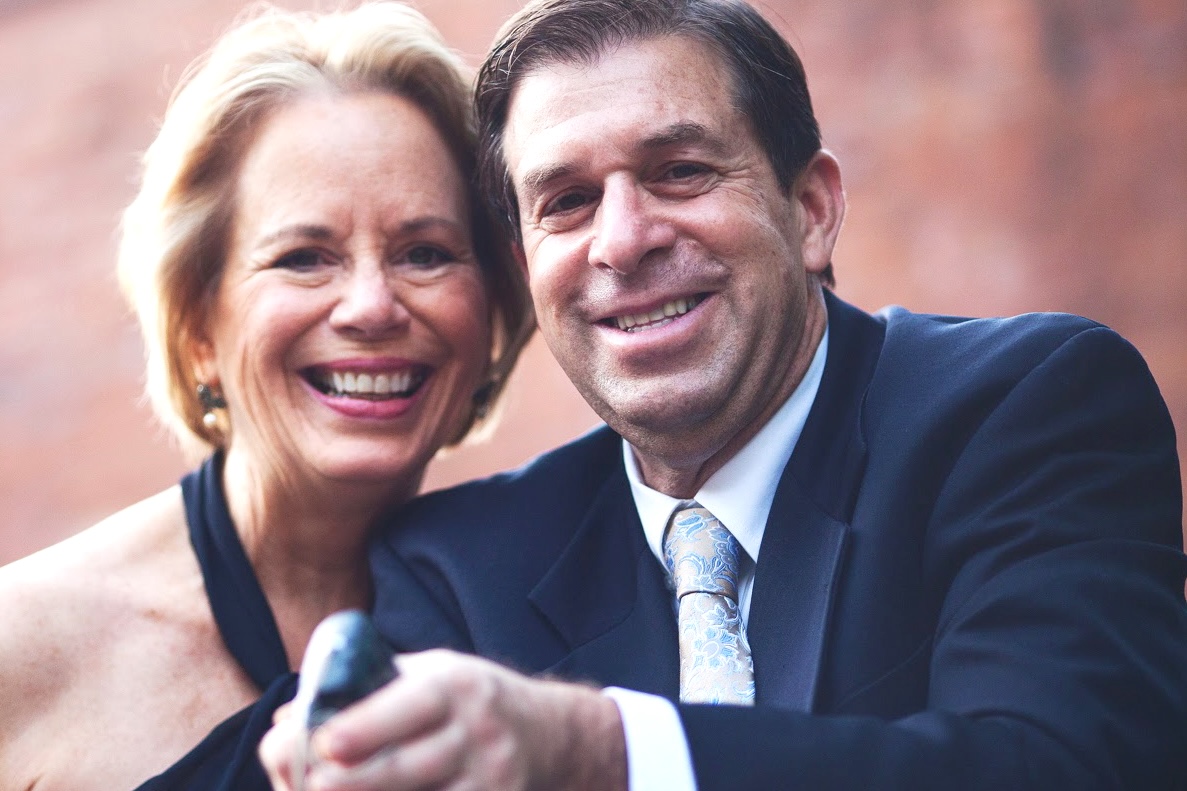
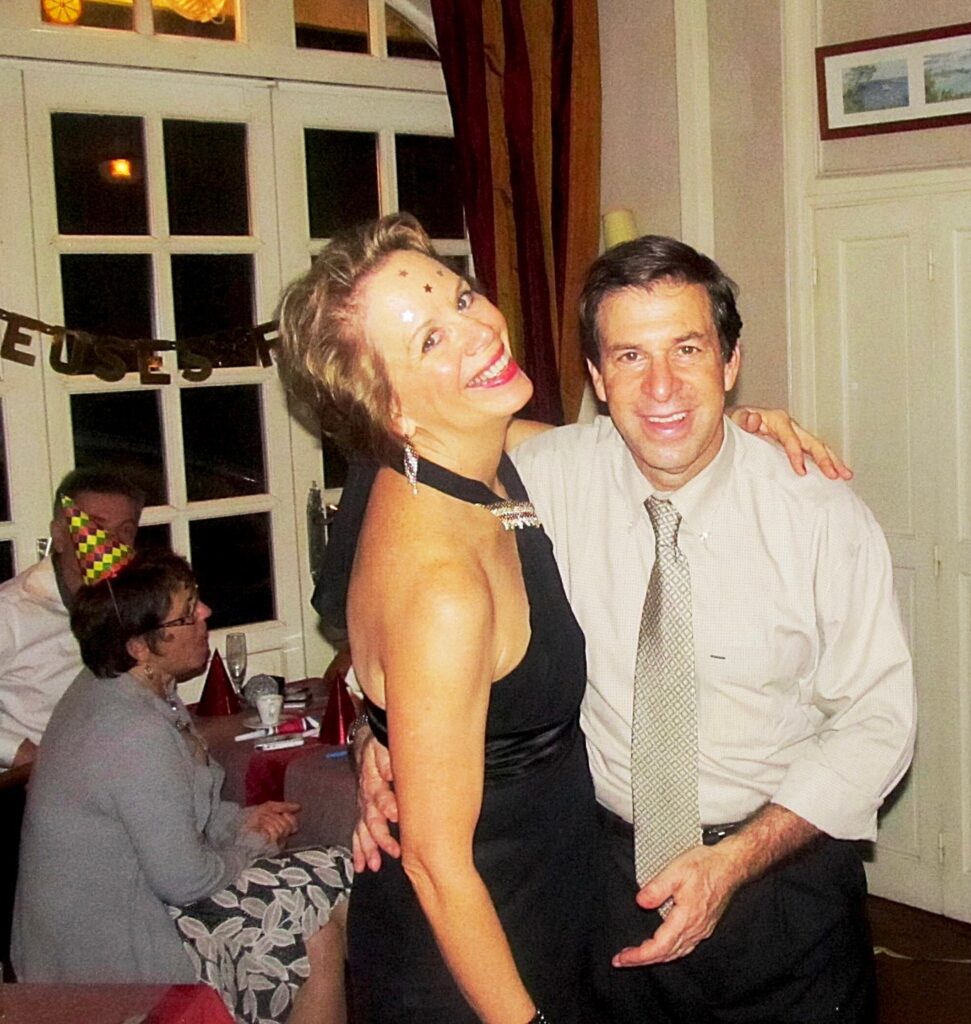
MADISON, WI – I turn 70 today. How old is that? Like a film festival of mid-century classics, I remember scenes from the 1950s. Not vaguely — vividly. Faces, voices, color, sound.
I was only a few months past two, for instance, still in diapers, when I bolted straight out the front door of our home in Dobbs Ferry, N.Y., and into the middle of Shady Lane. Heading my way was a driver who saw me coming and screeched to a stop. The slots on his radiator grille stopped inches from my face. I can still hear my mother’s screams and feel her strong hands snatching me up and carrying me back into the house.
My purpose in describing this memory is to explain that I was fully present for that moment and most every other that followed. I’ve spent my life as a documentarian — of people, places, experiences, successes and inevitable disappointments. I think of my life as a dramatic work of nonfiction. I authored all but one of my 25,567 days. And though that day was written by someone else, it directed me to northern Michigan, where I’ve lived happily and purposefully more than half my life.
Here’s the point. I conduct my life with as much deliberate intention as I can muster. I live my days with purpose, without confusion, and with dogged determination to achieve the objectives I consider most essential to a rewarding life. And that is the ability, the capacity, the skill, the energy, and the temperament to open my heart, to make a difference for the better, to fit tightly in the lives of the people I love, the community where I live, and the nation I admire.
To illustrate this journey, and keep the word count manageable, I don’t linger on my musical preferences (R&B, anything Motown), favorite authors (American classics – Melville, Kesey, Erdich, Stegner, Vonnegut), film stars and films (Jack Nicholson, One Flew Over The Cuckoo’s Nest), hobbies (road biking, gardening), politics (reasoned progressive left.) I’ve organized this narrative into several distinct sections. Onward.
New York Suburb
I was born and raised in White Plains, a prosperous suburb north of New York City that outside of its rebuilt central core looks pretty much the same as it did in the 1960s and 1970s. My parents were active professionals. She a Simmons-trained social worker. He a Harvard-educated Manhattan attorney. Dad was raised in Brooklyn, the oldest child of Russian/Polish Jewish immigrants. Mom was raised in Cambridge, Massachusetts. Her grandfather was a Jewish Hungarian immigrant and a master wrought iron craftsman who employed his son, Mom’s father, in a shop that closed during World War II when the needs of the war impeded their supply of iron.
These two middle class working families instilled their ample love and work ethic in my parents. Jo-Anne and Marty Schneider set out to achieve the same results in their children. They kept as tight a hold as they dared on my sister, Allison, and two brothers, Reed and Grant, and especially me. Mom and Dad mostly succeeded amid the cultural upheaval of the era. Suffice it to say that with periods of rebellion and disruption inspired by all the change occurring outside our upper middle class suburban home we all turned out to be solid kids, good students who were educated at elite colleges and trained to achieve as adults.
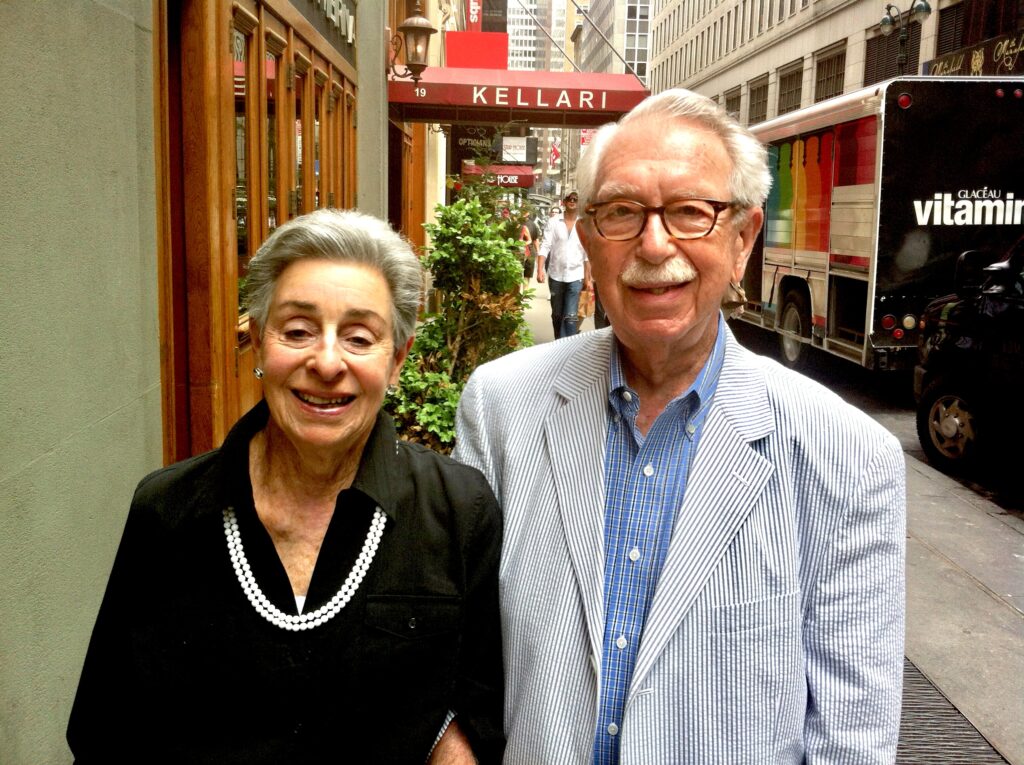
My friends from White Plain, many of whom I still hold close, generally shared comparable experiences. Our upbringing was flush with professional class financial security, high expectations, clear boundaries of behavior, and bountiful ambition. I conveyed to my parents how much I appreciated the start they provided and promised not to forsake that opportunity.
College and Career
Bill Ambler, director of the Haverford College admissions office, saw something in me that apparently was interesting enough to approve my entrance application in 1974. But I’m convinced that the deciding factor was my brother Reed, a Haverford senior at the time, who had a stellar academic record.
To live as long as I have is to embrace personal evolution. Tiny Haverford College, demanding in its curriculum, expansive in its collective approach to scholarship, was a perfect fit for me. The four years I spent on that suburban Philadelphia campus instilled a love of research and learning I didn’t necessarily possess when I enrolled. I cultivated skills as a writer there, and decided by the start of my senior year that journalism was the most direct path to a life devoted to discovery. Just as important were my friends, and later their wives, children, and now grandchildren whom I cherish.
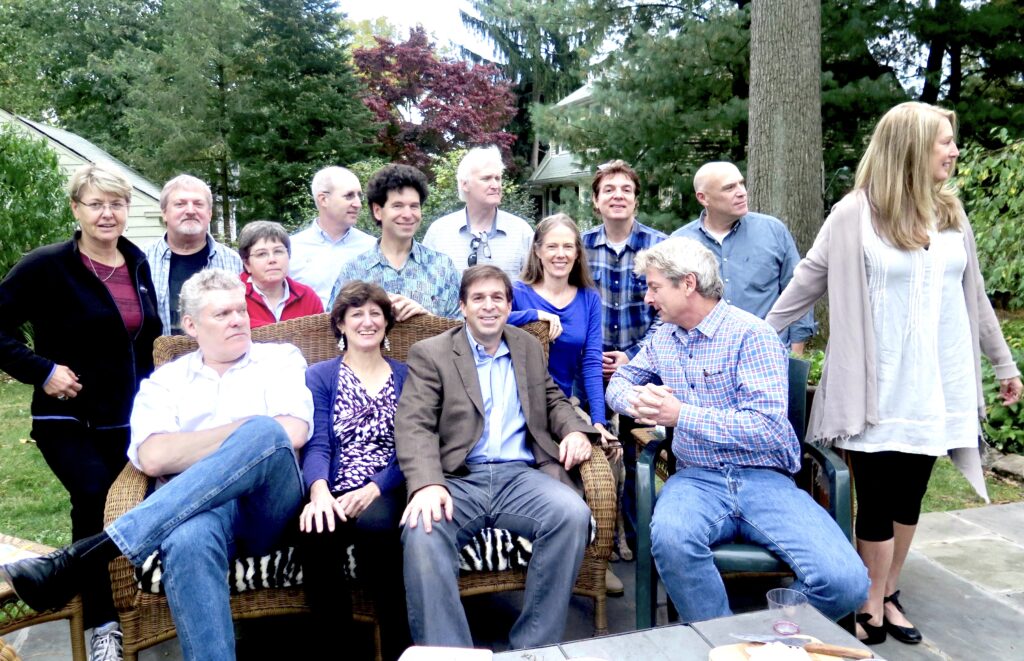
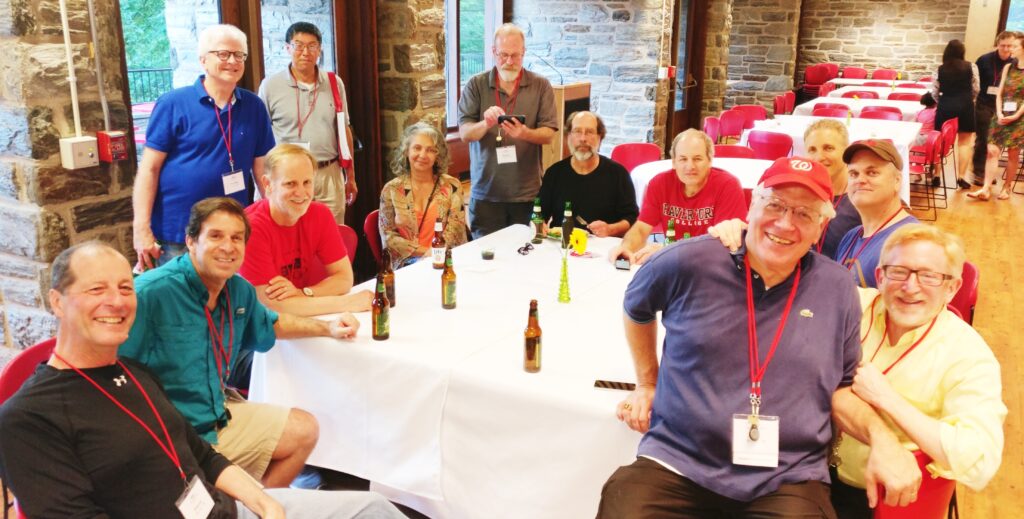
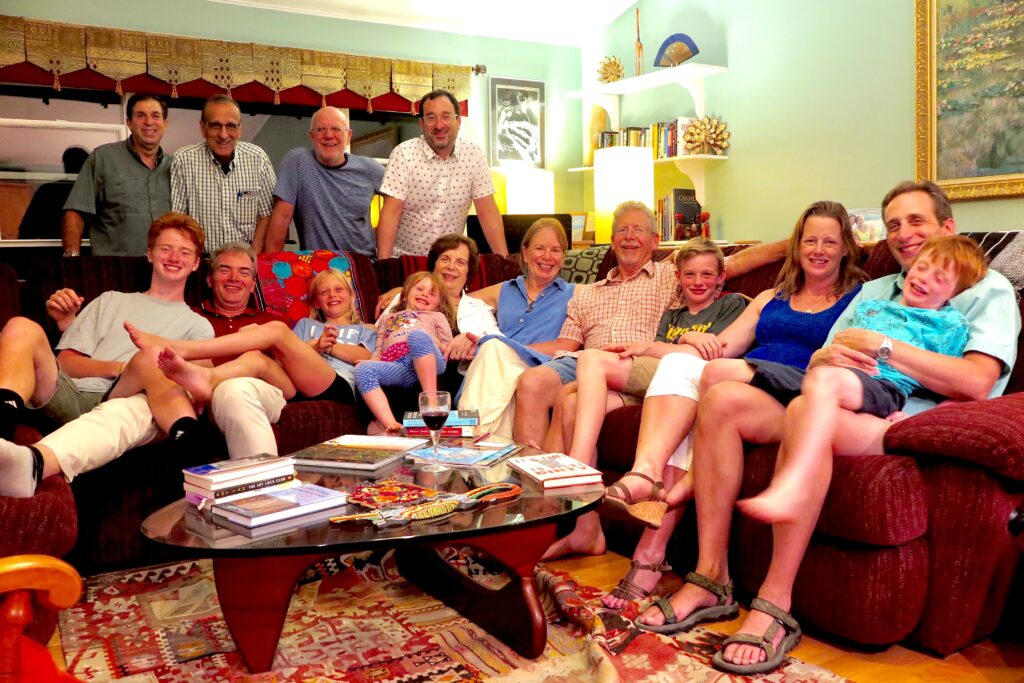
Jackie and Taylor Powell, Basil and Allison Powell, Anne and Reed Schneider, Gabrielle and Keith Schneider. (Photo/Keith Schneider)
Near the conclusion of my Haverford career I informed my father of my plan to be a reporter. The day I graduated he pulled me aside. “Can you make any money doing that?” he asked. I assured him I could.
Over the next 17 years, like a big cat hunting its prey, I pursued my career with relentless ambition. I started with three years at short-term newsroom jobs in Wilkes-Barre, Pennsylvania and Charleston, South Carolina, and four more years at freelance news bureaus I started in South Carolina and California. By then I fit my work into reporting the story of industrial predations on our natural heritage and the means for limiting the damage. It was the story that attracted the most interest from editors and could also influence the most change.
I broke national stories about pesticides, biotechnology, and scientific fraud that helped strengthen the public interest. I also met my first wife, Florence Barone, a Charleston native, and she enthusiastically accompanied me to Sacramento, where we spent the first year of our marriage. Florence was far less enthusiastic but reluctantly agreed to move back East to Washington when, in 1985, I was hired by the New York Times as a national correspondent in the paper’s DC bureau.
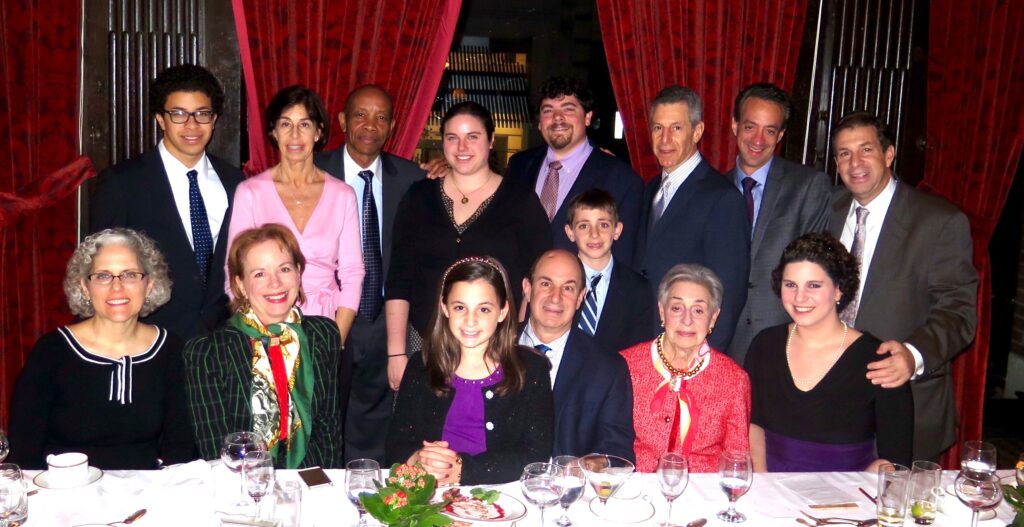
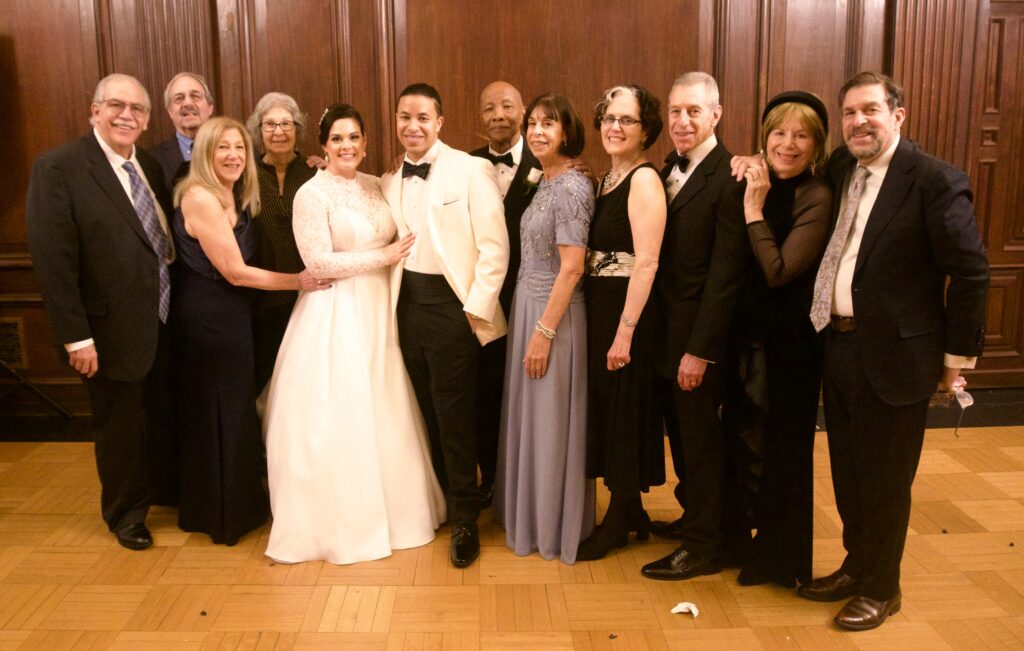
Mom, Lauren Schneider Lipton, Rear row Taylor, Allion and Basil Powell, Mariel Schneider, Jeffrey Lipton, Reed Schneider, Larry Diamond, Me
Orthodoxy and Disruption
I was 29 then, a young correspondent with a new wife, a new home in Bethesda, Maryland and access to a front page that moved history. The sound I heard was the gears of my life plan clicking into place. And why shouldn’t they? I was aptly applying the conventional orthodoxy of how to succeed in America.
My parents instilled in us the character traits of hard work, discipline, and diligence that democracy and capitalism demanded. The country’s core foundation, though battered by assassinations, war, and presidential scandals, also counted a moon landing, civil rights, and environmental protection among its singular achievements. I had joined a newspaper that was richly influential, like the country, and still held dear the virtue and promise of the American century.
My career as a national correspondent, conducted at the height of the American empire, was exhilarating and revealing. All that roaming reporting – 49 states, 50,000 miles a year – provided convincing evidence that democracy and capitalism were the seminal pieces, the central instruments of America’s rise to wealth and global power.
If I really wanted, I could have developed an attitude about our “advantages” as Americans. In its quest to serve America’s wealthiest and by limiting the opportunities and livelihoods of its working families – never mind other nations – capitalism yielded all manner of stress and misery in this country. Farmers convinced to plant “fence row to fence row” in the 1970s were throwing themselves into flaming piles in the 1980s as crop prices foundered and interest payments on land and farm equipment soared. Coal mining companies strip mined Appalachian mountains and the streams ran blood red from acid mine pollution that inundated and devastated mountain communities. Drought crippled grain harvests and Yellowstone National Park was torched by wildfire, early evidence of climate change that fossil fuel magnates publicly dismissed as scientific fraud. Black residents in North Carolina fought like tigers but still were forced to accept construction of a toxic waste dump in their midst.
Much of my work also documented real world benefits to air, water, land and health from the most effective environmental protection program in the world administered by the EPA. But new trade agreements encouraged polluting industries to evade them and produce cars and steel and chemicals outside the U.S. The economy of the Ohio River Valley and other industrial centers collapsed. Its demise pushed hardworking Americans into poverty and despair. And into the arms of politicians not nearly intent enough on helping their situation, and far too intent on serving the interests and increasing the wealth of those who financed their campaigns.
I didn’t succumb to cynicism. I had the curiosity, the energy, and the front-page to report on the important stories of the day, to do the work of telling the American stories that needed to be told. In 1991 my editors asked if I was interested in moving from Washington to take a new assignment as the Denver Bureau chief. I was. Of course.
By then, the environmental story was shifting from its focus on the EPA to the effects of industrialization in the field. I was alarmed and unsettled by Washington’s steady drift to the hard right that gained traction under President Reagan. Policy and politics were being influenced by a new operating culture that began to stagger under the weight of obvious lies, distrust of science, and the pervading new scent of selfishness and cruelty.
Michigan
Changes in direction are a distinguishing feature of every life, particularly lives as long as mine. The good fortune of my diversions was that I’d been able to decide what they were and when they’d be taken. By my early 30s I’d already lived in New York, Philadelphia, Boston, Charleston, Sacramento, and Washington. Like the snow peaks of the Rockies steadily taking up space on my windshield, it seemed perfectly clear that Denver would be the next stop. We didn’t have children, so to me the move seemed easy.
Florence wasn’t having it, though. She was interested in leaving Washington, just not interested in moving west. Her decision was not only a shock, it also became the most profound pivot of my life, a momentous course correction, a new chapter that for the first time didn’t have my byline. But I was so intent on leaving Washington that I proposed a compromise: How about Michigan?
The backstory: In the fall of 1989 I flew from Detroit to Petoskey in northern Michigan to report a story for the Times about climate change at the University of Michigan’s Biological Station on Douglas Lake. From the window seat of the twin-engine Northwestern Airlines flight, I watched with awe the leaves of northern Michigan’s intact hardwood forests pass below, glowing with color, all shades of red and orange and yellow. By this time, I’d been all over America. But I’d never experienced a place with so many beautiful small towns, so many woodlands and exquisitely clean lakes connected by ribbons of lightly trafficked two-lane highways.
A year later, over Labor Day 1990 and for two weeks after, we vacationed on the beach at the west end of Crystal Lake in Benzie County. I was smitten by the clear water, the blue sky, the forest trails, the quiet towns. So was Florence.
The next year, in 1991, we bought a cabin with 89 acres on Nurnberger Road in Springdale Township, a mile south of the Benzie-Manistee county line. We spent half of 1992 there, and In the summer of 1993 my Times editors agreed to base me in northern Michigan. Florence and I moved from Washington in October. Our first night, a thunderstorm and lightning knocked out the power and our 60-year-old jerry-rigged water pump. The view that winter from the picture window in our 660 square-foot cabin was of white pine forests, meadows blanketed in three feet of snow, and an icy sand and clay road traveled by a scant handful of vehicles a day. I told my friends in Washington and New York that Manistee and Benzie counties felt like the closest thing to the Oregon trail remaining in America. What an adventure.
The Institute and More
That revelry was short-lived. I’m an environmental journalist you recall. So before we bought, I checked into possible real estate ownership intrusions such as highway plans, transmission lines, pesticide drift, new industrial construction. I didn’t think to look into oil and gas.
That industry made itself known one morning in January 1994, just three months after we’d begun living on Nurnberger Road. A landman from the natural gas industry knocked on our door. The stranger said the entire region was targeted for aggressive drilling. We joined a group of neighbors to form the Michigan Communities Land Use Coalition (MCLUC) to make the case not to halt the development but to call for drilling practices that were sensitive to the land and the communities that inhabited the land.
I took the reins of MCLUC (known then by its moniker “Muck-Luck”), and reported on the extent of natural gas development in northern Michigan. With the help of Florence and other activists, we attracted so much attention that by the spring of 1995, I had to resign from my position as a full-time correspondent for the New York Times. MCLUC also was a powerful magnet for introducing us to a new community of friends our age, most of whom were drawn to Manistee and Benzie counties for the same elemental reasons we were: The land. The water. The small towns. The people. We were embraced by our new friends – bakers, artists, small farmers, t-shirt printers, musicians, tradesmen, builders, educators, small business owners, and lawyers.
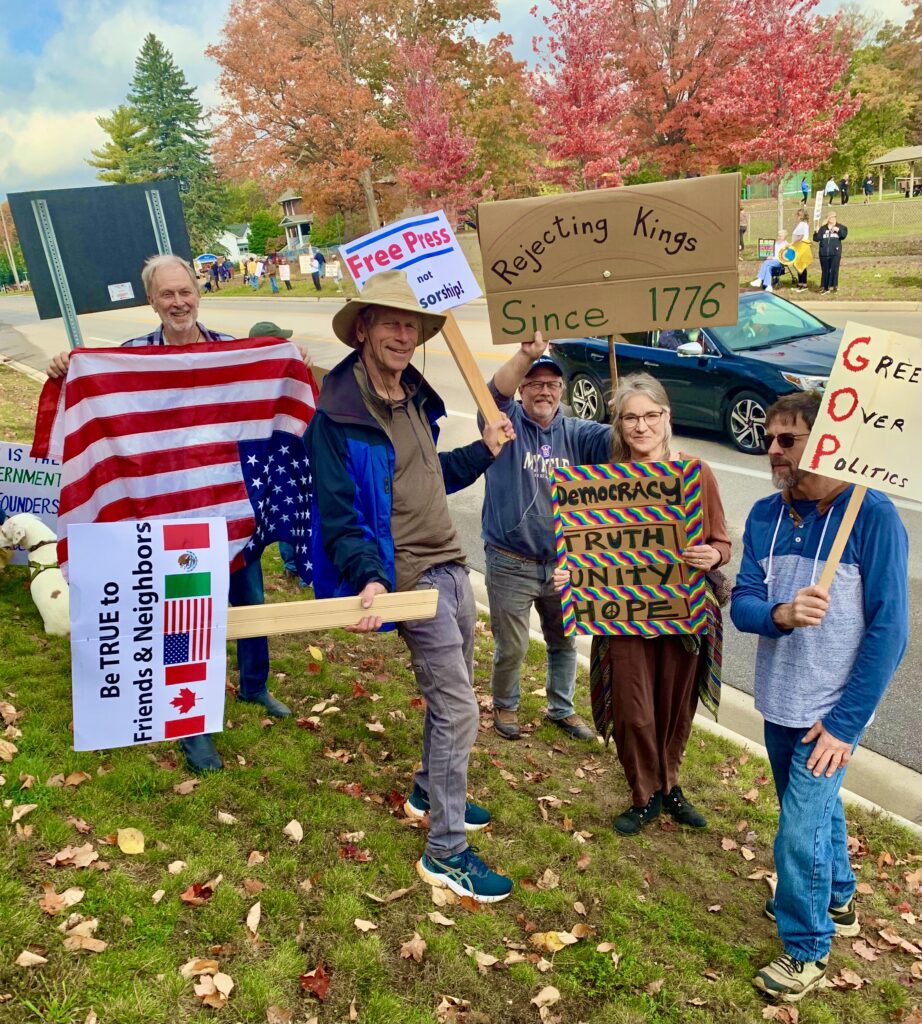
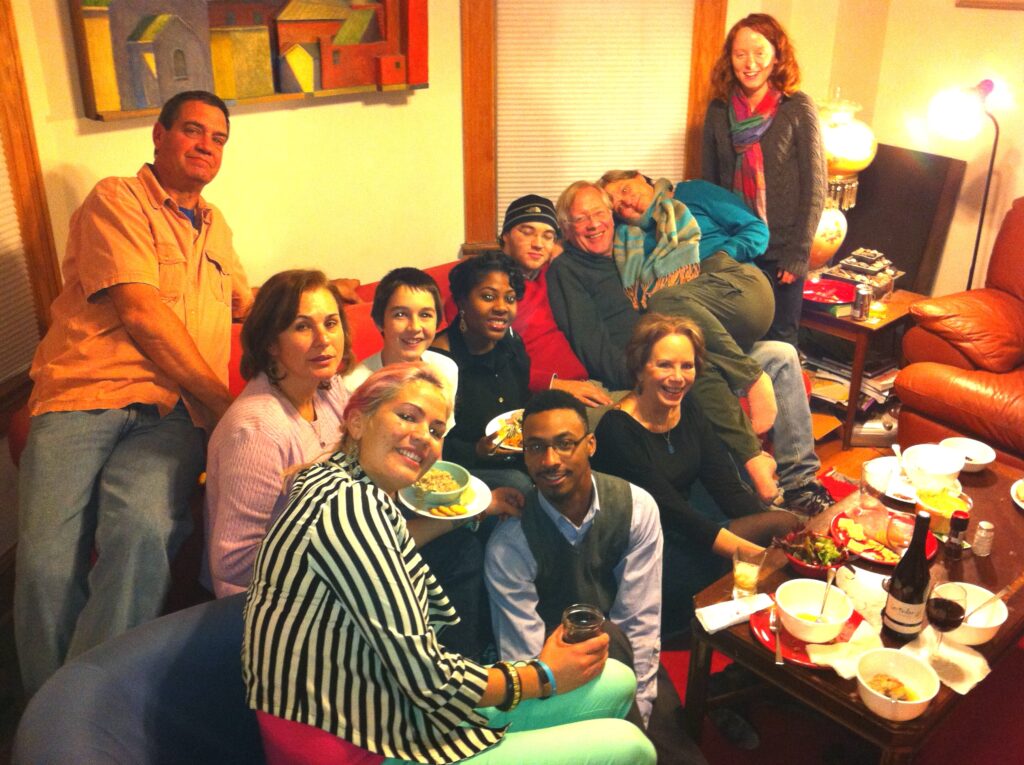
Jack Gyr, Lisa Johansson, Jeff Jordan. (Photo/Keith Schneider)
MCLUC evolved into the Michigan Land Use Institute in 1995, which earned considerable respect in Michigan and the nation for the effectiveness of its operating strategy. I put original journalism at the core of our operations and hired skilled journalists and trained them to be effective grassroots advocates. Together, our approach achieved remarkable public interest victories.
Those early years at the Institute. I never worked that hard. The relentless pace of leading a successful nonprofit produced a schism in my and Florence’s marriage. There’s a file drawer full of prose I could say about that and won’t. She filed for divorce at the turn of the century, wept tears at the court proceedings that could have been mine for the psychic pain and the exorbitant price of her action, and left for Oregon. Drop the mic.
I retreated to my Manistee cabin, discovered road biking, and met my second wife, Pam Bates, a professional ski instructor at Crystal Mountain resort, Benzie’s largest private employer. She spent summers as a sales clerk at the outdoor equipment store across from the Institute office in Beulah where she sold me my first Specialized Allez Sport bike.
Pam is an athlete and we courted on long bike trips in Michigan and Wisconsin and Vermont and Colorado. She was raising three terrific children – Kayla, Mara, and Cody – and when the Bates family invited me and my rescued Virginia hound dog Ellie Mae to join their family, I eagerly agreed. Pam and I married in 2002 and moved to the house where I still live on Lake Street in Benzonia.
I relished my new role of stepfather, and like an explorer entering new territory I was intent on learning its geography and performing well. I loved these kids. I cooked for them, and on weekend sleepovers I also cooked for all their friends. We took trips to Chicago and New York and Colorado and Martha’s Vineyard and Park City and the California Sierras. We played soccer and basketball with other Benzonia kids and their parents, and we skied on Sundays at Crystal Mountain.
My time with the Bates kids was glorious. The marriage was not. A lot of wheels began spinning at once in 2007. The first one was my Land Use Institute career, then 12 years old. Founders syndrome was gumming up the gears. It was time to, as LeBron James puts it, “take my talents” in a new direction.
Second was my commitment to putting Kayla and Mara through college and collaborating with Michael Bates, their father, to get it done. I needed to make more money. So in the spring Carl and Eileen Ganter, two very talented multimedia journalists in Traverse City, asked me to help them shape the editorial strategy of their ahead-of-its-time news desk, Circle of Blue. I’ve served this exceptional environmental reporting enterprise ever since as a correspondent and senior editor.
Additionally, I was hired as communications director by a clean energy nonprofit in San Francisco early in 2008, and in 2009 left to play the same role at a climate change nonprofit in Washington. I commuted from Michigan to both cities and wasn’t especially skilled or interested in either job.
The central objective, though, was achieved. Kayla and Mara graduated from college and are leading successful lives. My marriage to Pam faltered in 2011 and with it, sadly, the life I’d loved as the provider and a guiding presence in the lives of her three children.
Kentucky and Gabrielle
If time in our lives could be represented by an hourglass, by 2011 the bulb at the top had considerably less sand than the bulb underneath. I looked at the expanse of my years and saw clearly how much had changed. Certainly the tools and equipment had evolved. I once had to remember the numbers on my rotary phone. By 2011 phones archived those numbers, took pictures, searched the Web, linked video with friends, and, if the phone was lost, connected you to an entirely new 21st Century emotion: frantic anxiety that it would never be found.
My Times career started with a three-line Radio Shack TRS 80. If the rubber cups for transmitting the article over the telephone didn’t work, I had to call into the newspaper’s recording room and read the article slowly, with clear enunciation, to a stenographer. The internet and laptops killed the “Trash 80” and opened the most powerful global research, archive, and communications realm ever invented.
The elders in my family passed and some of my really close friends started dying. That’s life. Sadness is unavoidable.
At that point, though, I never anticipated that the next 15 years would be the happiest of my life. But they have been. My friendships in northern Michigan deepened, just as they have with my college and high school friends, and my siblings. I live in one of the planet’s beautiful places. I have three loving stepdaughters and three adorable granddaughters. My work has attained a new level of expertise and authority, my writing more nuanced and stylish. My work is posted on major news sites around the world and attracts a larger readership.
Most significantly, Gabrielle Gray and I discovered the beauty of a loving, sound marriage.
That story starts with an assignment from Neal Pierce, an urban affairs columnist, who asked me to undertake a project in Kentucky to write a new development strategy for Owensboro, the state’s fourth largest city. I began my reporting by requesting a short list of the city’s prominent leaders. One of the names on the list was Gabrielle’s. As executive director of the International Bluegrass Music Museum she founded the annual ROMP music festival and year-round concert series; and the Bluegrass in the Schools program that introduced thousands of students to bluegrass music, loaned them instruments, and provided lessons.
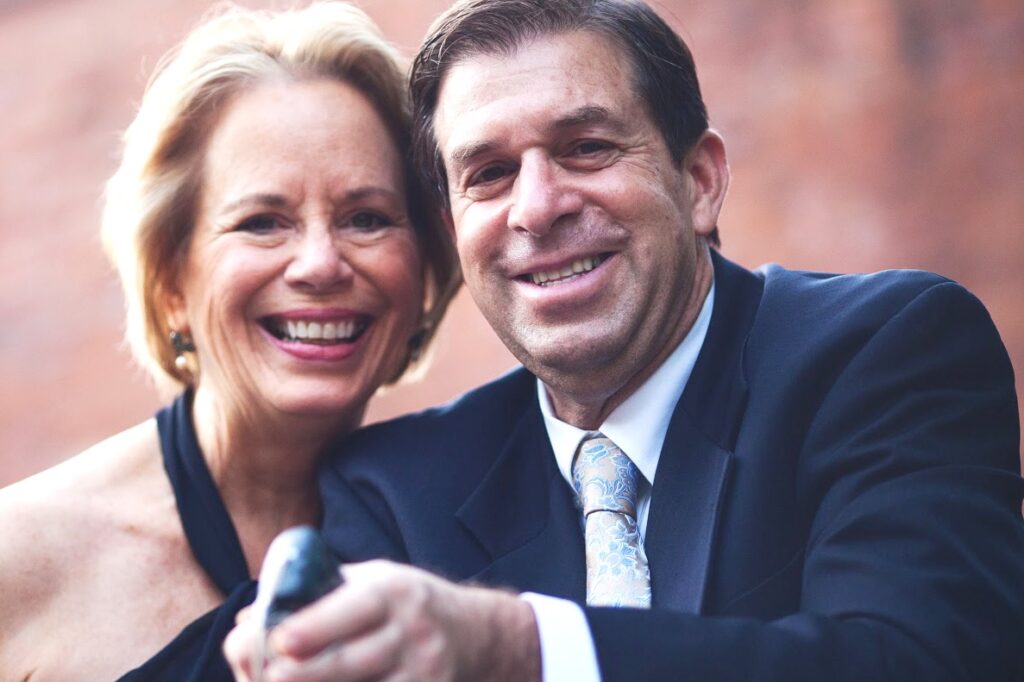
Gabrielle was one of the city’s recognizable and respected leaders. She is capable and smart, accomplished and beautiful. I met her daughter, Maggie Gray, a Yale University graduate, heading then to medical school, who is cut from the same cloth.
Our relationship blossomed from the moment we met during a scheduled interview. I learned about Gabrielle’s civic prominence when I accompanied her to an outdoor basketball tournament and offered my right arm in escort. She swatted it away. “People will talk,” she said.
They talked alright, but not about that. At the time, my work for Circle of Blue and other news groups was taking me on long reporting trips overseas. Gabrielle and I courted in cities around the world – Paris, Prague, Panama City, Bratislava, Frankfurt, Berlin, Tamil Nadu, Delhi, Singapore, Kuala Lumpur, Cape Town, Johannesburg, Nashville, Chicago, New York, and DC. Our good friend Chris Frost, who lives in Somerset, Kentucky needles me occasionally about our global romance with a mix of awe and jealousy.
But the pattern of our lives also reflected distance and geography. We lived in two homes. Hers in Kentucky, where she lived with her brother Joe, close to dear friends and her sister-in-law Libby, and where I spent most of the winters. Gabrielle would come to my Lake Street home in Michigan for our incomparable summers.
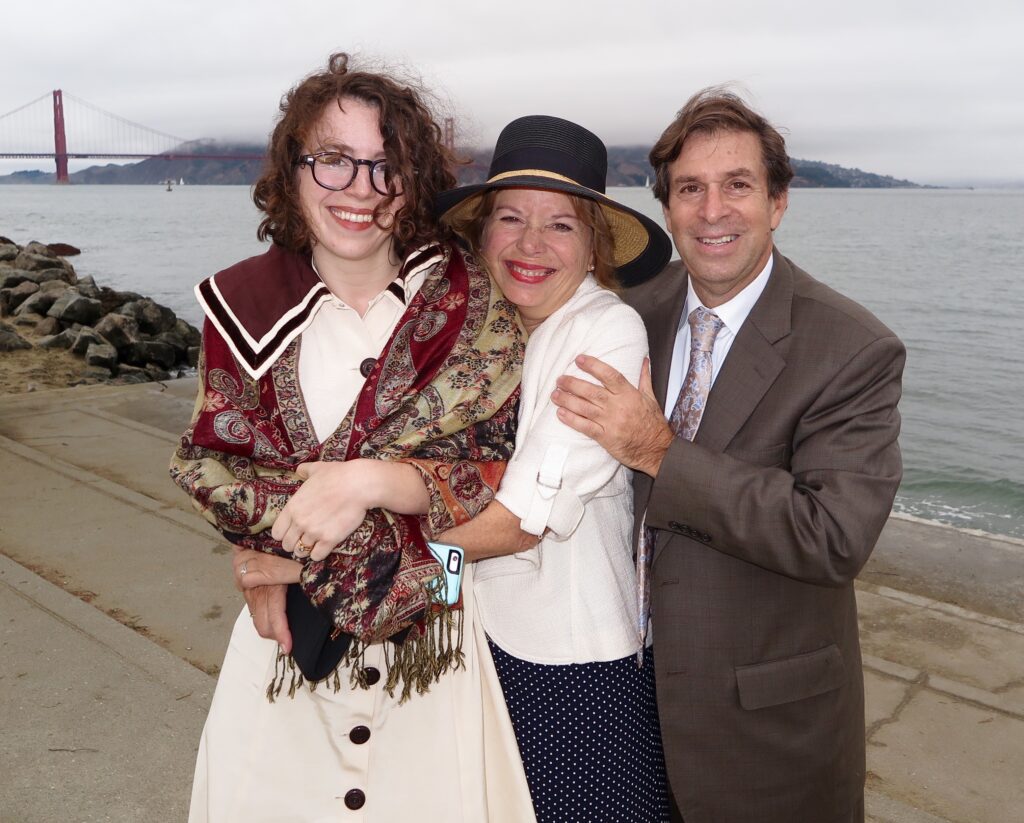
We expanded the map of our lives in 2017 when I accepted a six-month contract to report for the Los Angeles Times from a base in Salt Lake City. Gabrielle and I married that year in San Francisco, where Maggie was doing her internal medicine residency at UCSF. We kept our two homes until 2022, when she sold hers and moved to mine in Benzonia.
To the Lake Street Lodge
The logistical rationale for the move focused heavily on avoiding the berserk behavior of Choppa – one of our two beloved Benzie rescue cats – who fussed and foamed and screeched throughout the nine-hour car ride between residences. After one too many of these trips, Gabrielle said it was time for us to live in one house, year-round. My community of close friends in Michigan invited Gabrielle to join them, admitting her into their hearts and lives, and she welcomed them into hers. In the words of my mother, “What’s not to like?”
I’m happy. We’re happy. Loving family and friends. Good work. A comfortable Lake Street home that is steadily evolving under Gabrielle’s design skills. Outside are beautiful gardens I’ve tended for 24 years.
I wrote an essay a decade ago on my 60th birthday. It’s infused with the energy of a younger man. Donald Trump hadn’t yet set out on his political carpet bombing runs to wreck America. “By 60,” I wrote, “it’s plain that the three most important assets in life are these: Love. Time. Health. There’s no particular universal formula for acquiring them. I found that good fortune, a bit of discipline, and a sizable portion of motivation are involved.”
Turning 70 is different. I’m happy, for sure. Mine has been a life in full. Still, I feel the weight of responsibility, heavy in its import, more than ever.
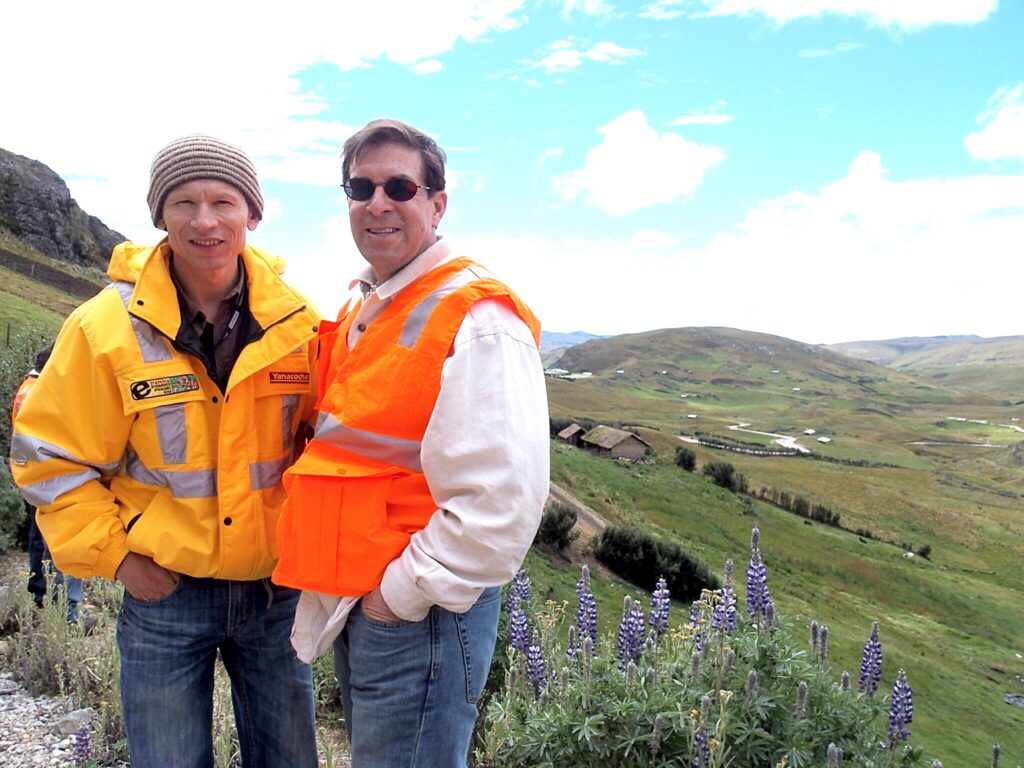
For my family to be safe and do well. For Gabrielle and the new lives in our midst – our three granddaughters who bring such joy. They are flowers in spring.
For my siblings and their children, all making their way in the world.
For our families in New York and Kentucky, and our friends as relationships gain more resonance with the years.
For my work to inform the nation about the consequences of the president’s mania, and for me especially, the danger to our natural heritage. Trump is ripping apart the U.S. environmental protection program that made our country and many regions – ours included – cleaner, safer, more beautiful. His executive orders and legislative departures are sharply increasing the risk of ecological mayhem that will make the lives of our children and grandchildren much harder. I take it personally. Trump is challenging the value and achievements of my life’s work. Everything I worked for is under siege.
Yet I meet this moment with all I’ve learned along the way. A long time ago, I came to understand what truly matters. Love is to be nurtured. It is a garden of light and color, music and hope, a sacred space where Gabrielle, our children and their families, our birth families and our dearest friends reside. Good work is essential, and because it doesn’t feel like work, it’s a blessing. The natural world does not belong to us. We are its stewards, obligated to protect its gifts.
Now, in the early winter of my life, I am clear-eyed, purposeful, happy, and still optimistic. Like a fire-ravaged forest, our injured nation will heal. I have much vital work to do, and there are precious days to share with Gabrielle and all the people I adore. Ten years from now, I hope to celebrate my 80th – determined to both write another essay, and raise a glass to toast the extraordinary good fortune of my life.
— Keith Schneider
GALLERY OF SUPER STARS
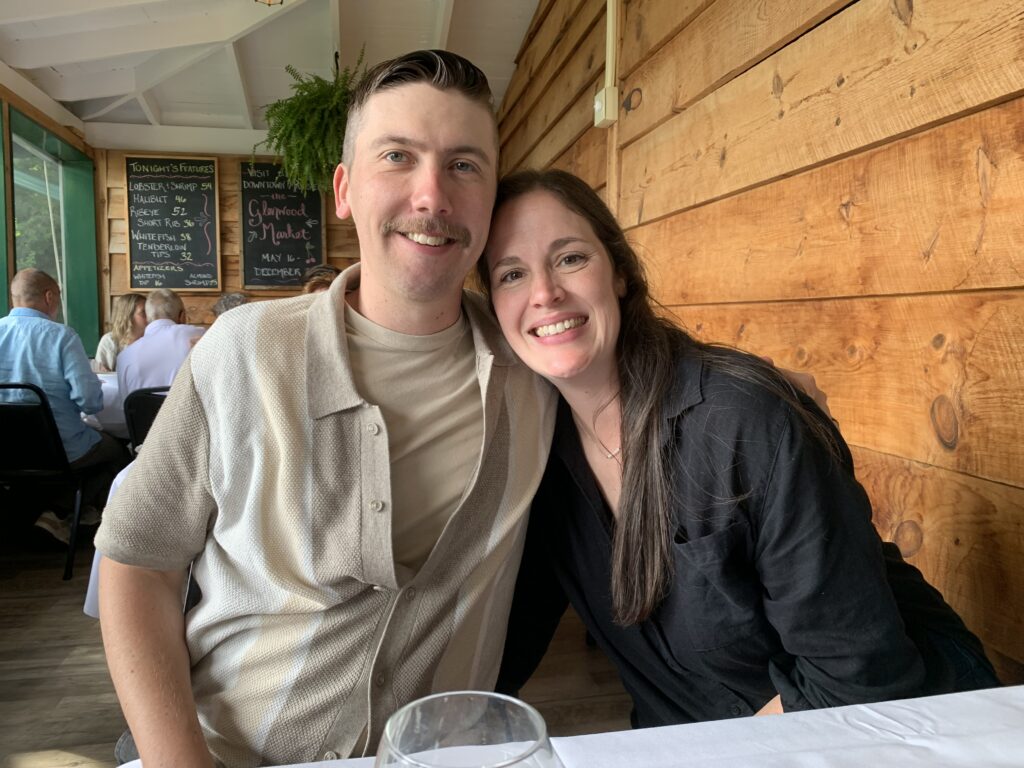
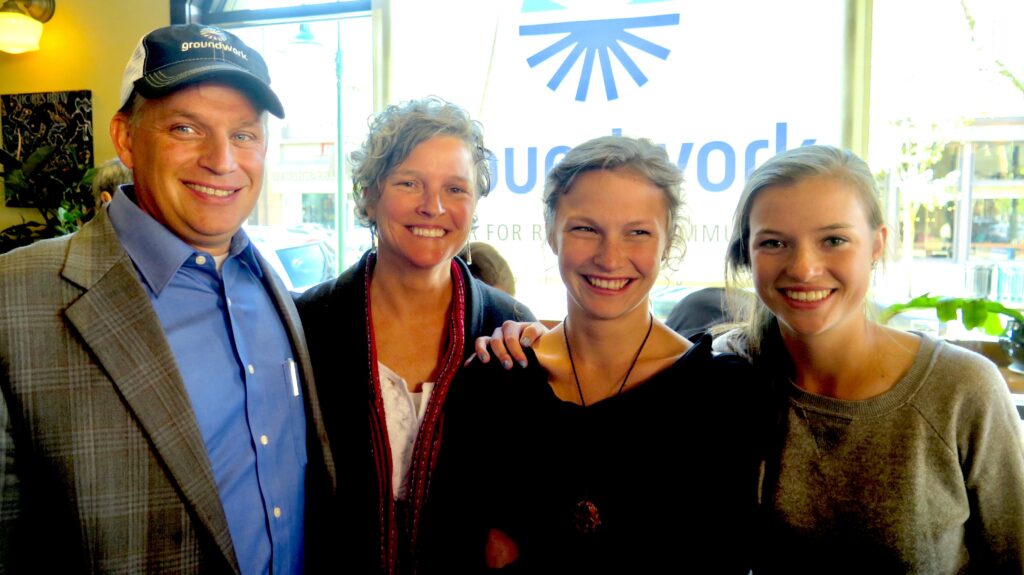
and became its executive director five years later. (Photo/Keith Schneider)
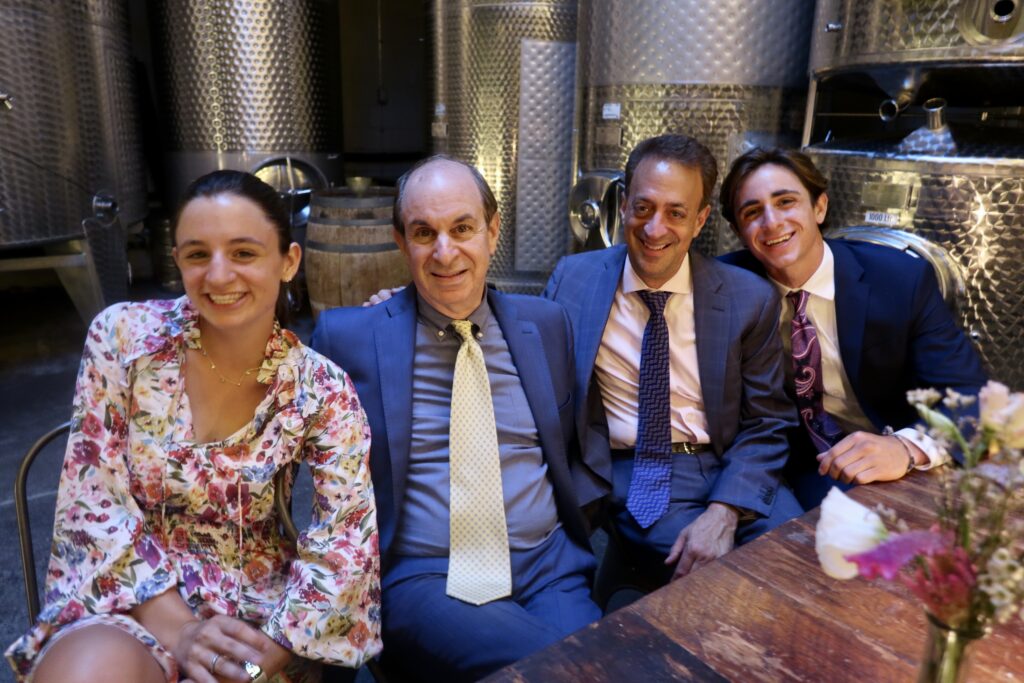
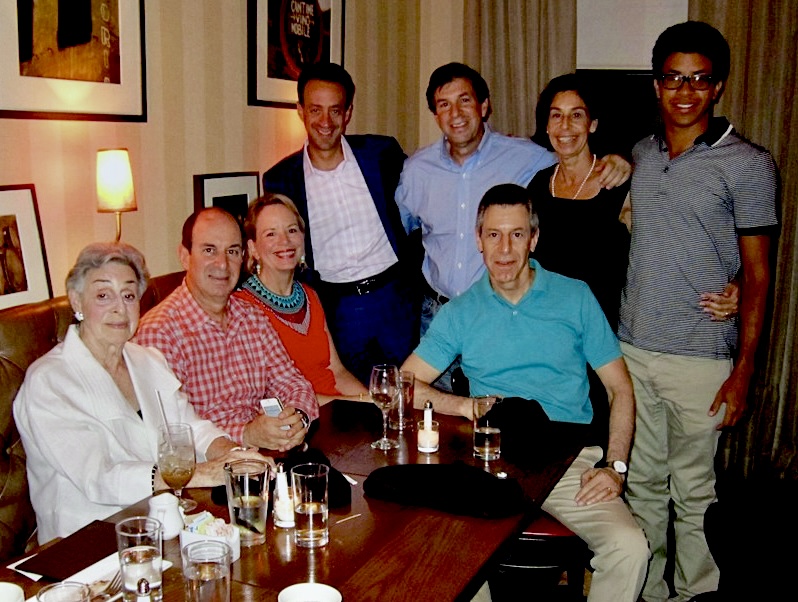
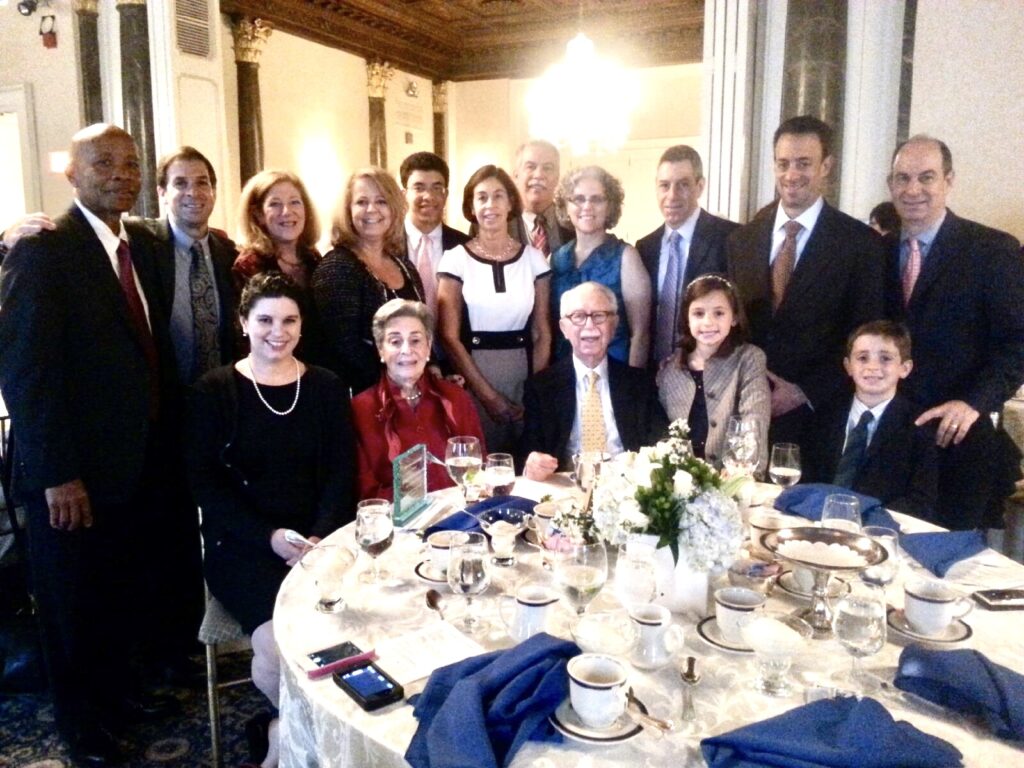
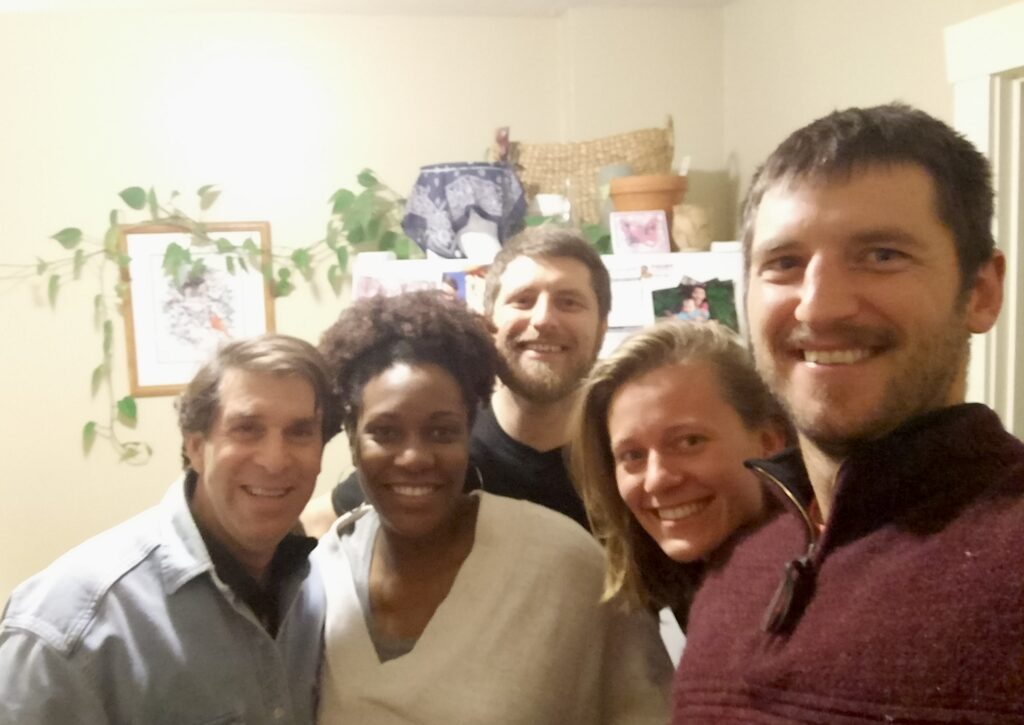
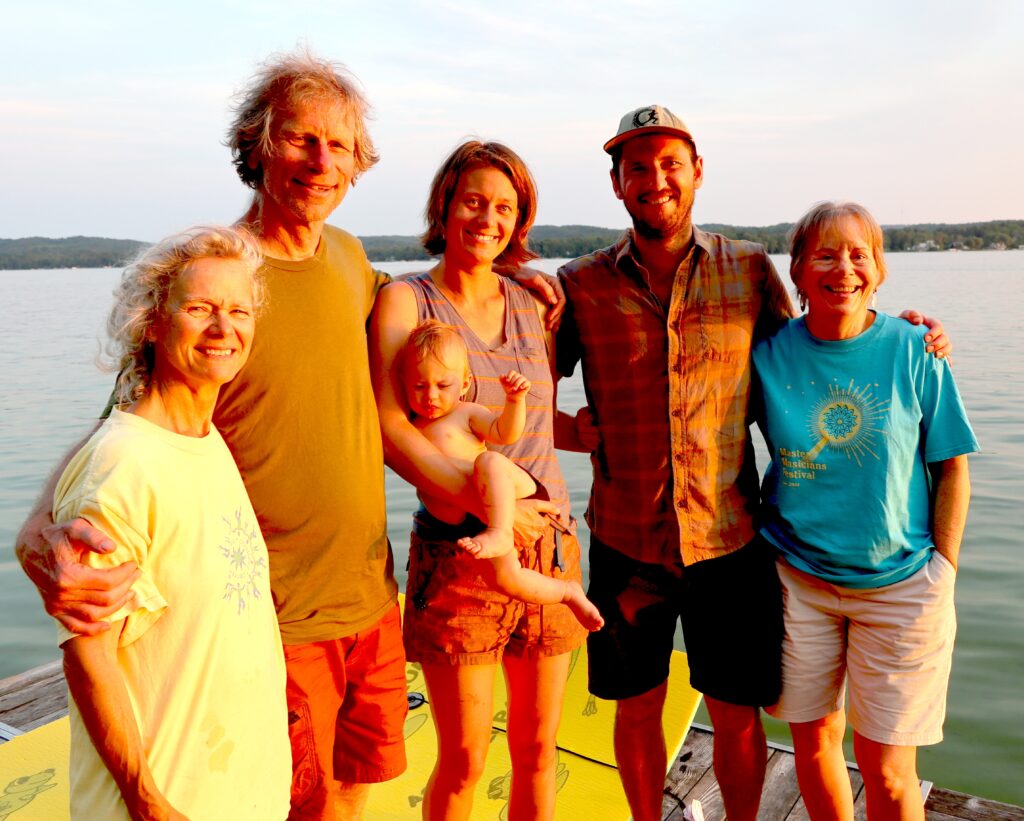
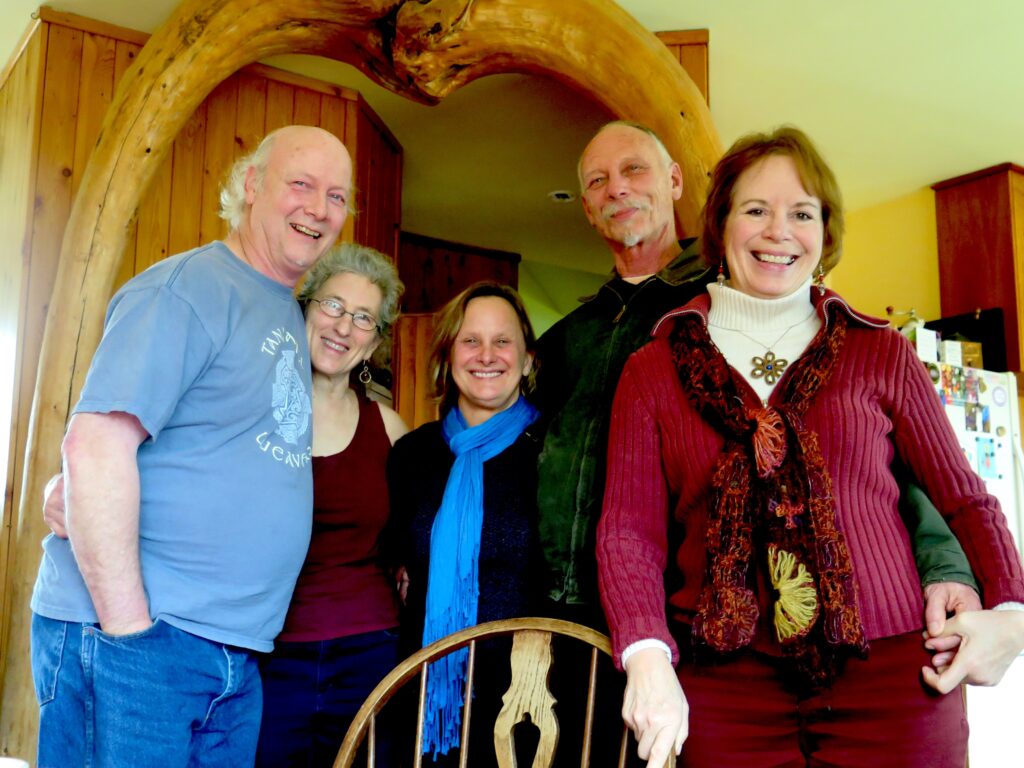
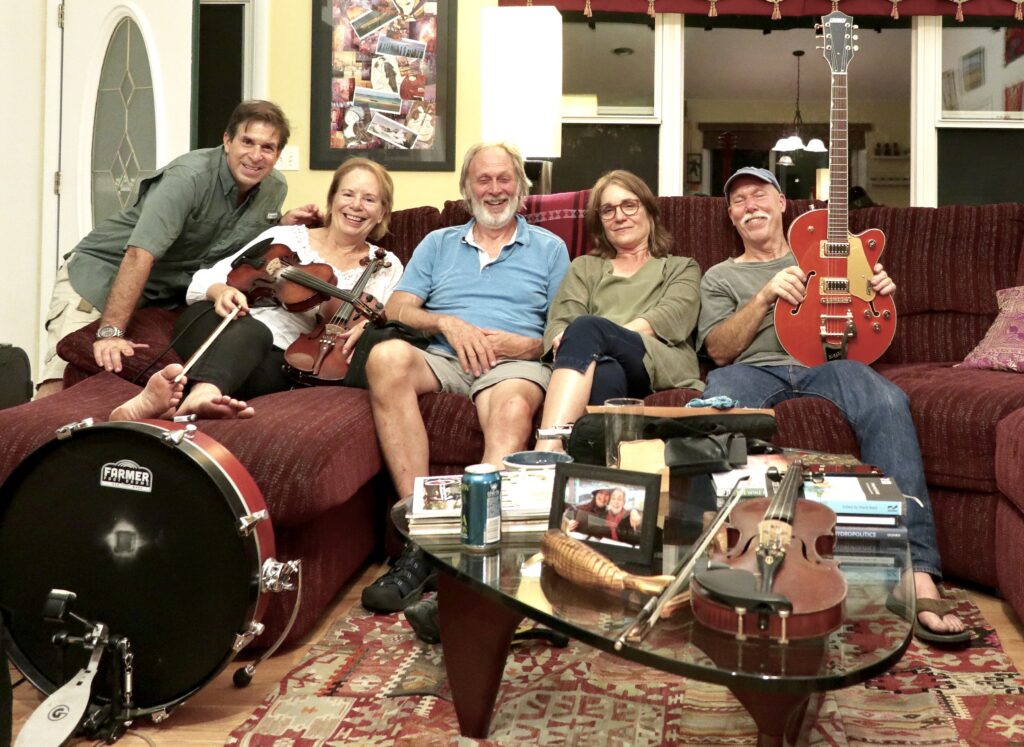
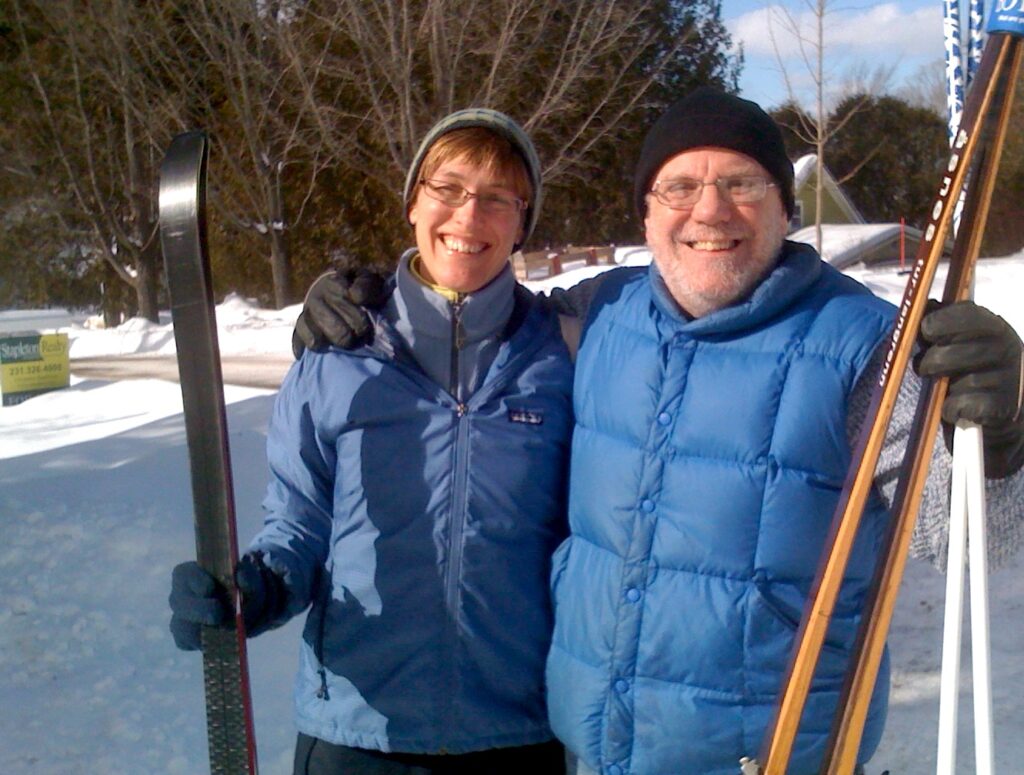
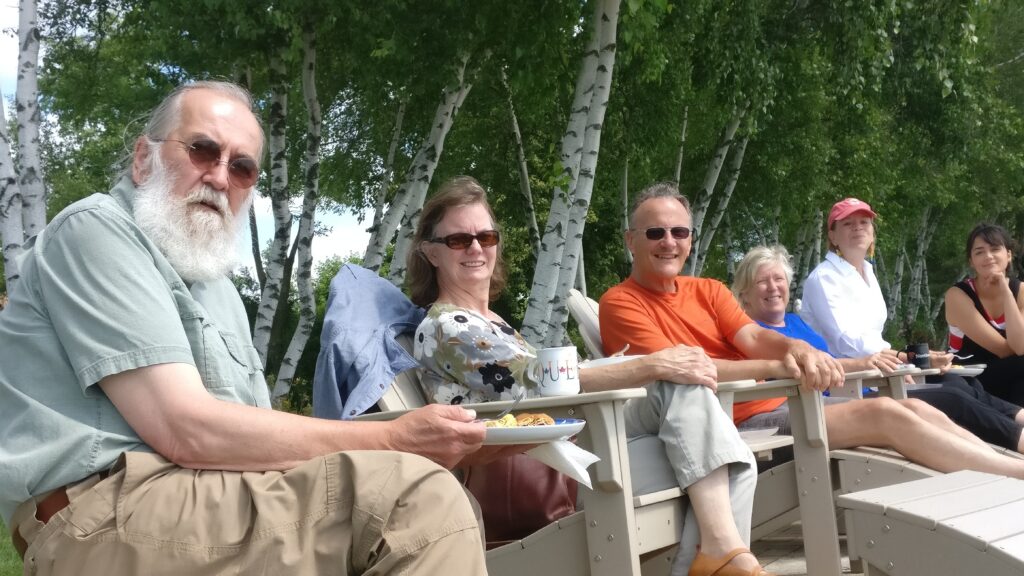
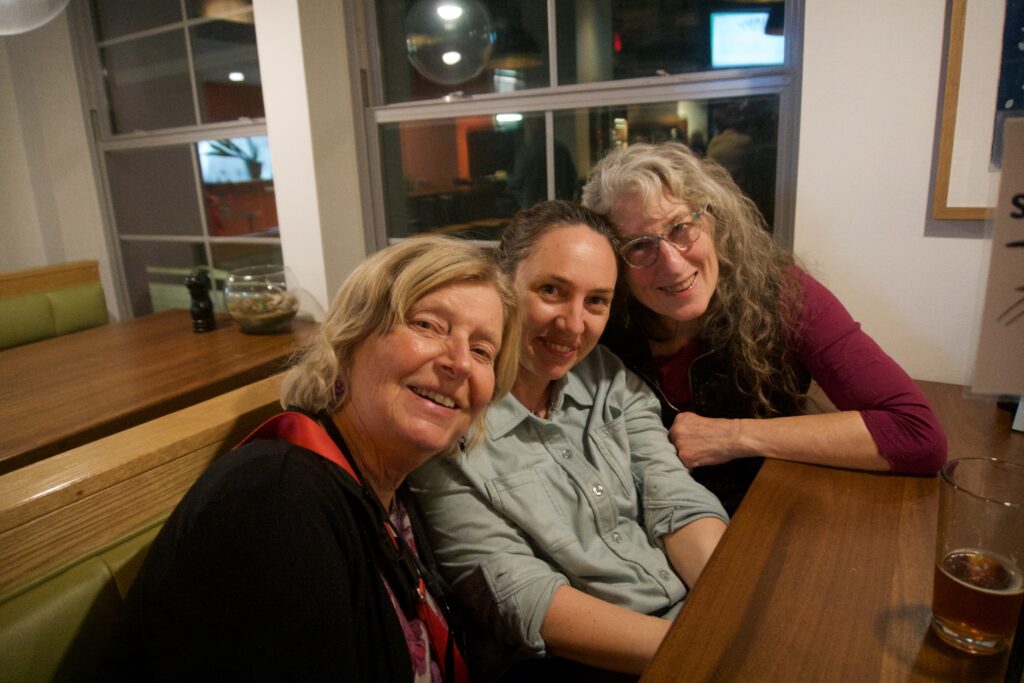
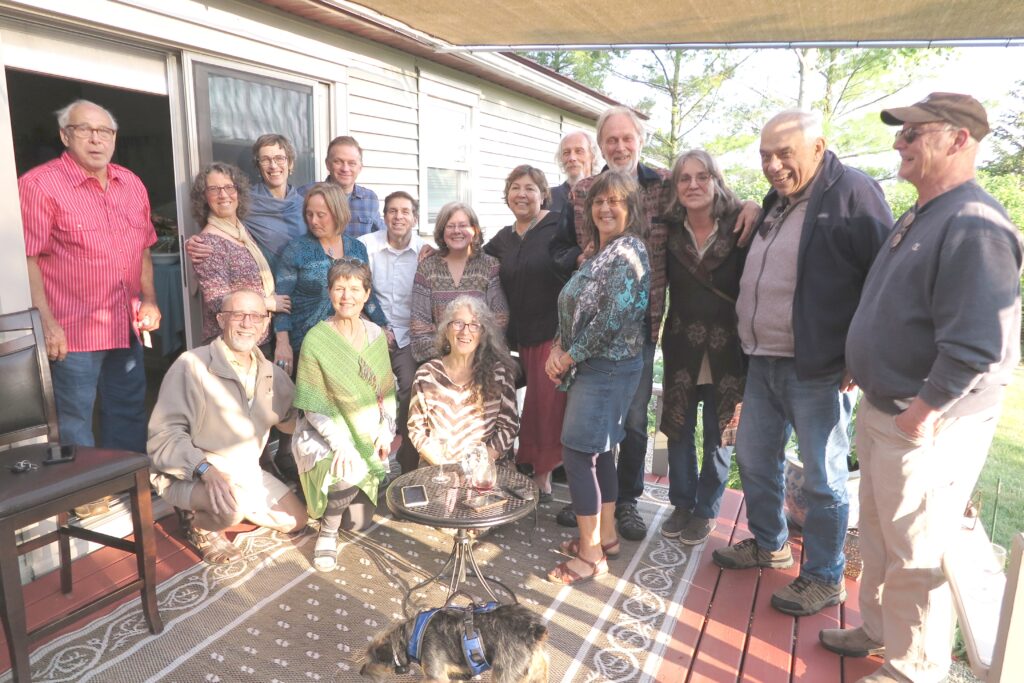
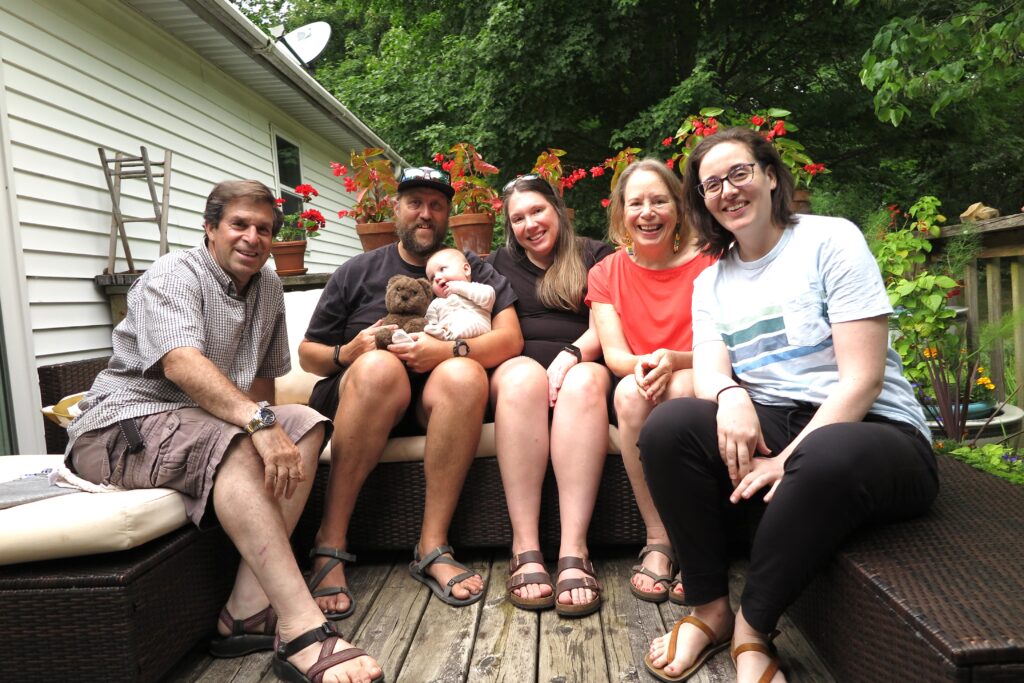
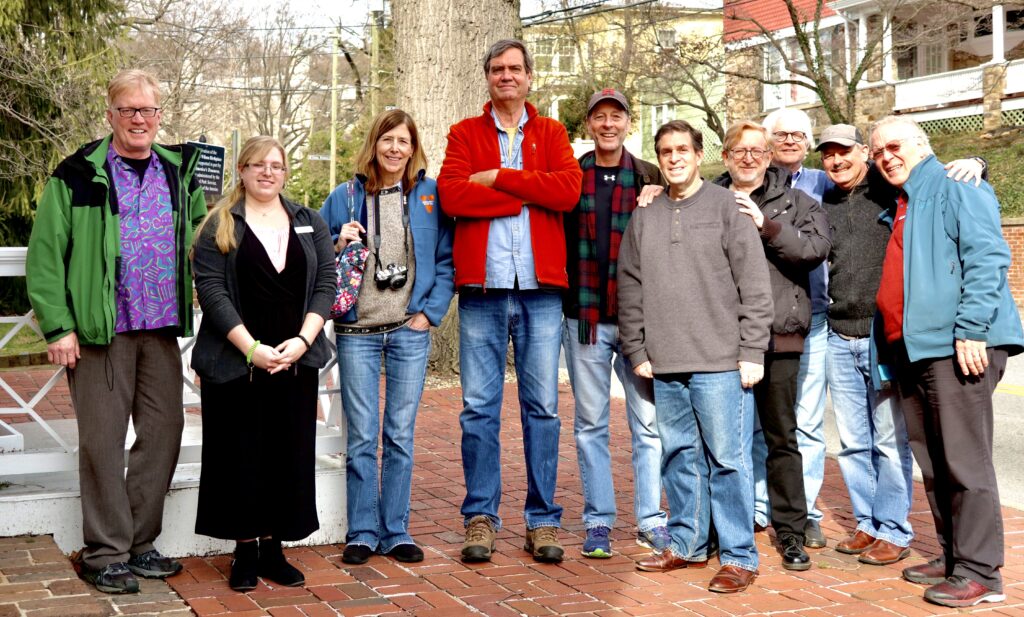
Ingemar Johansson, lisa Johansson, Mark Stoltz, Tim Burke, Sitting – Mike Elmore, Nancy Kida, Barbie Stow, Jessica Noe
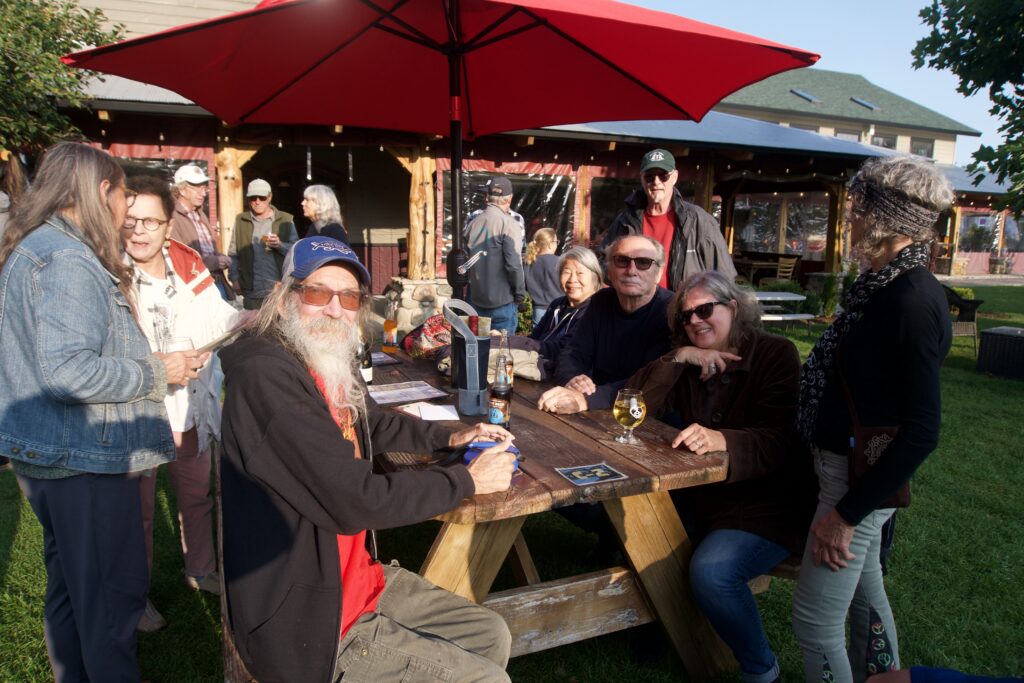
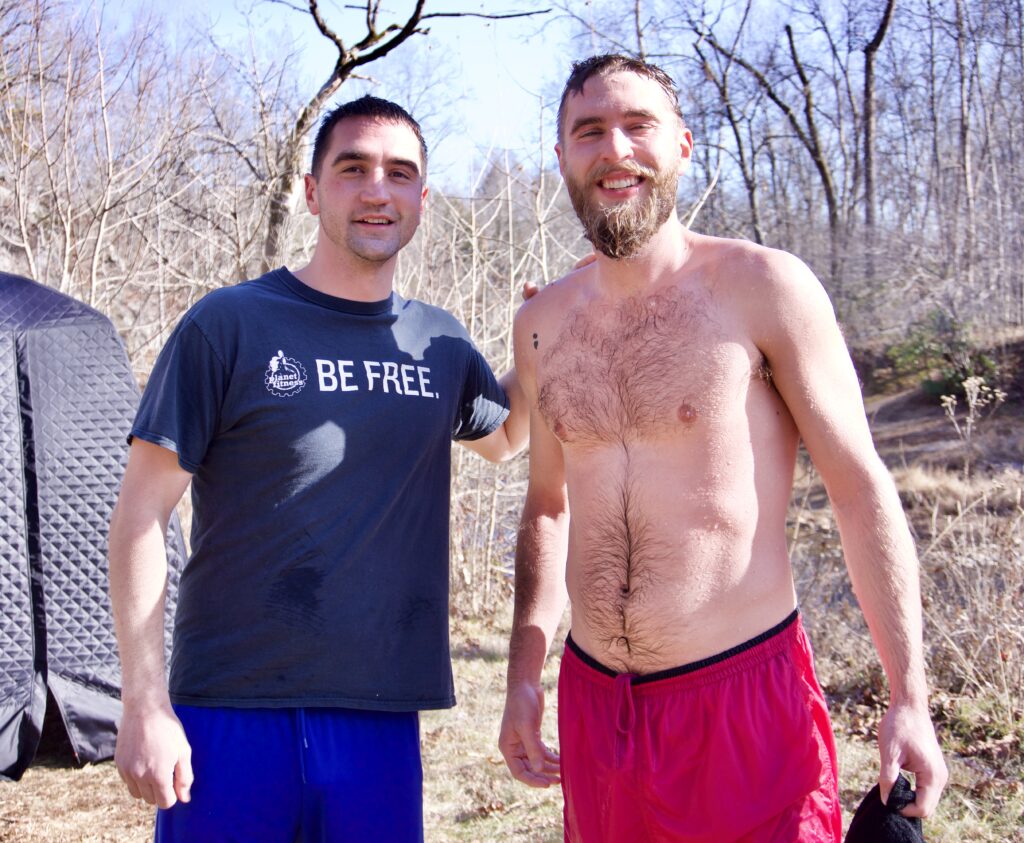
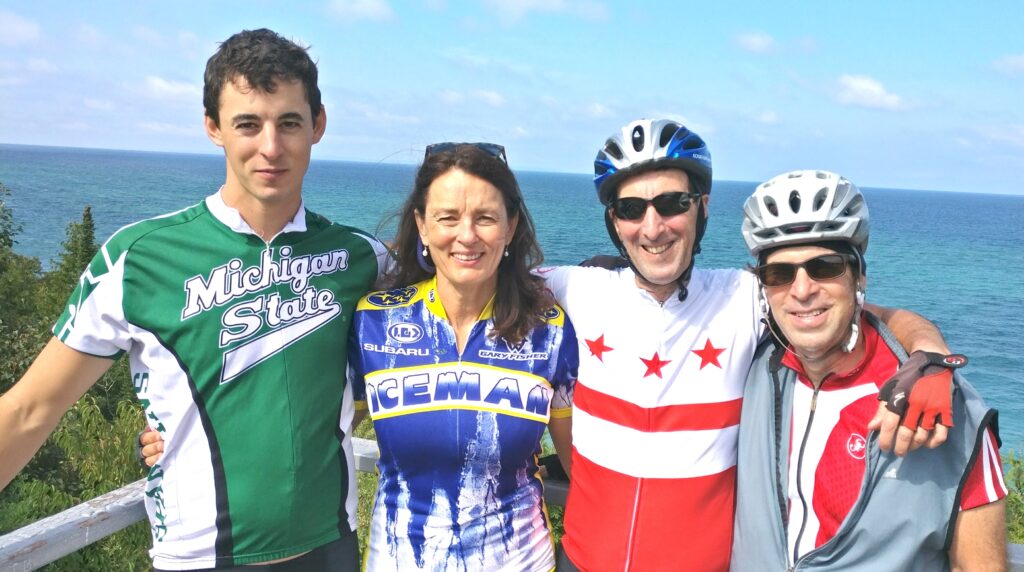
Pierce Homer, Me, Todd Essig, Tom Sutton, Bruce West, Jim Walker. (Photo/Keith Schneider)
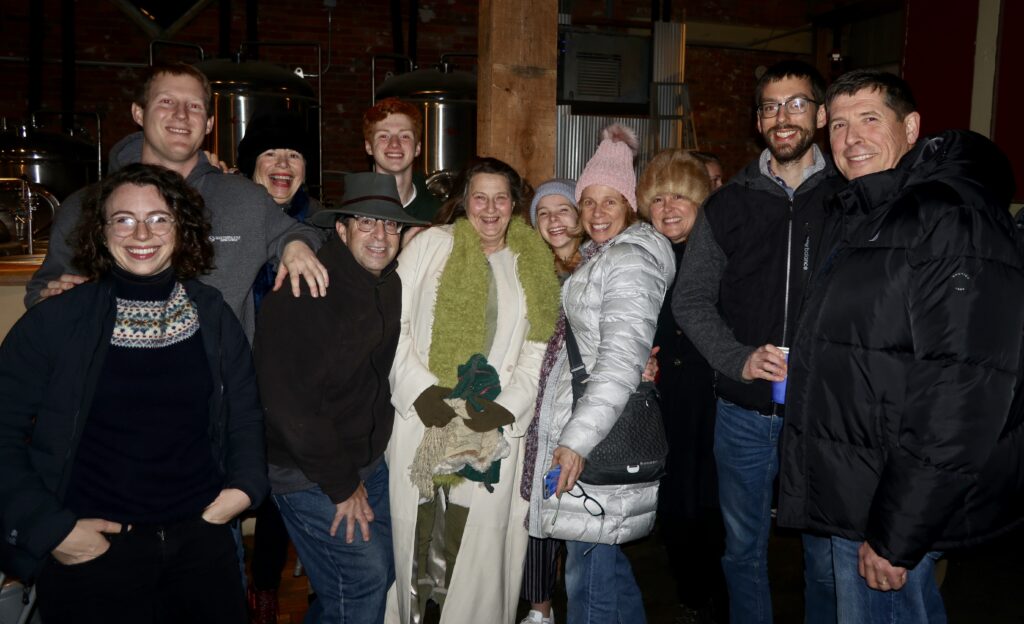
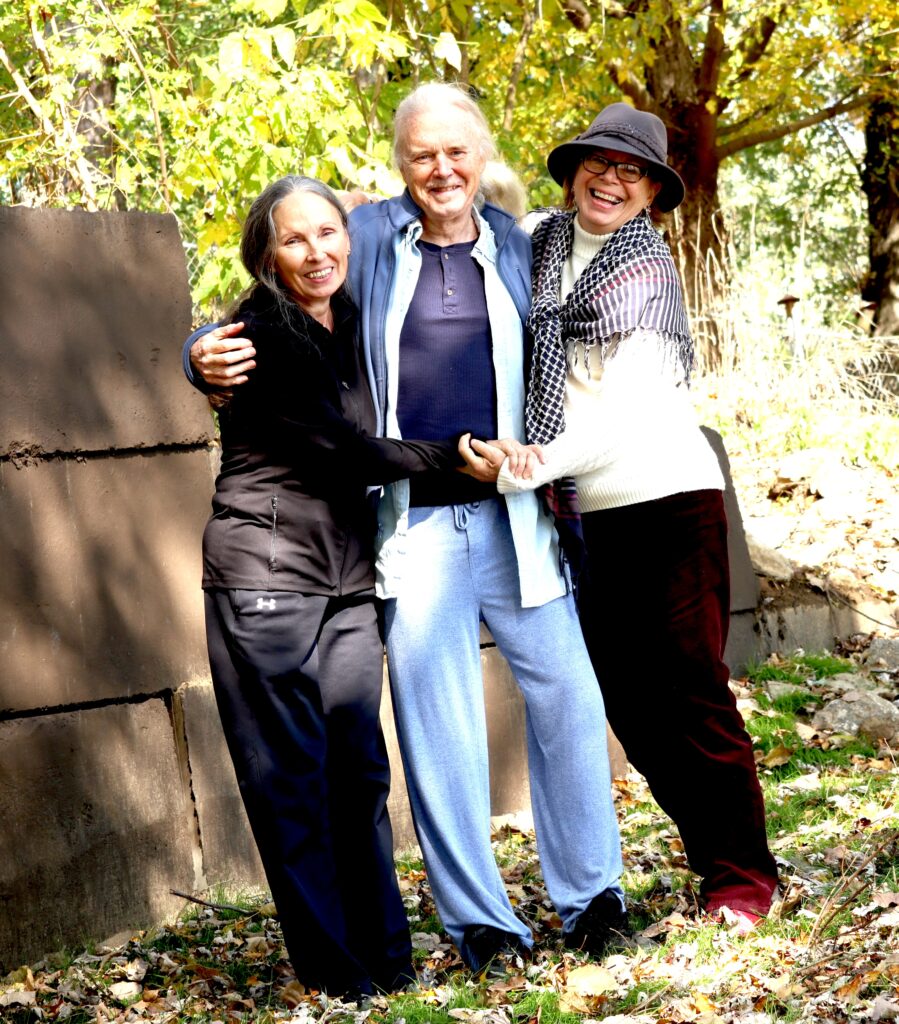
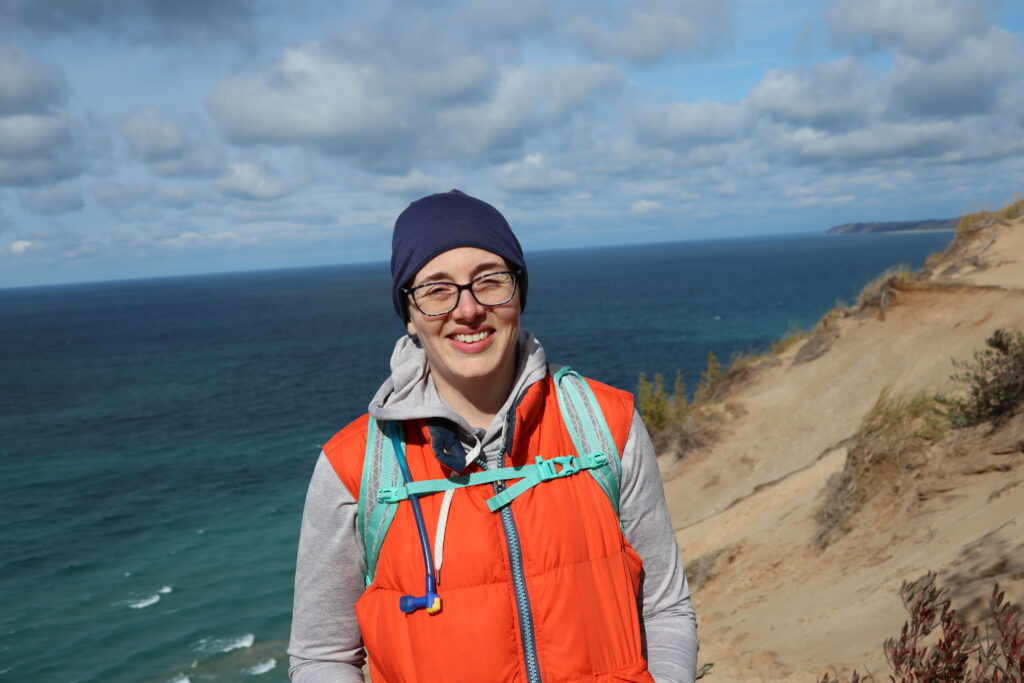
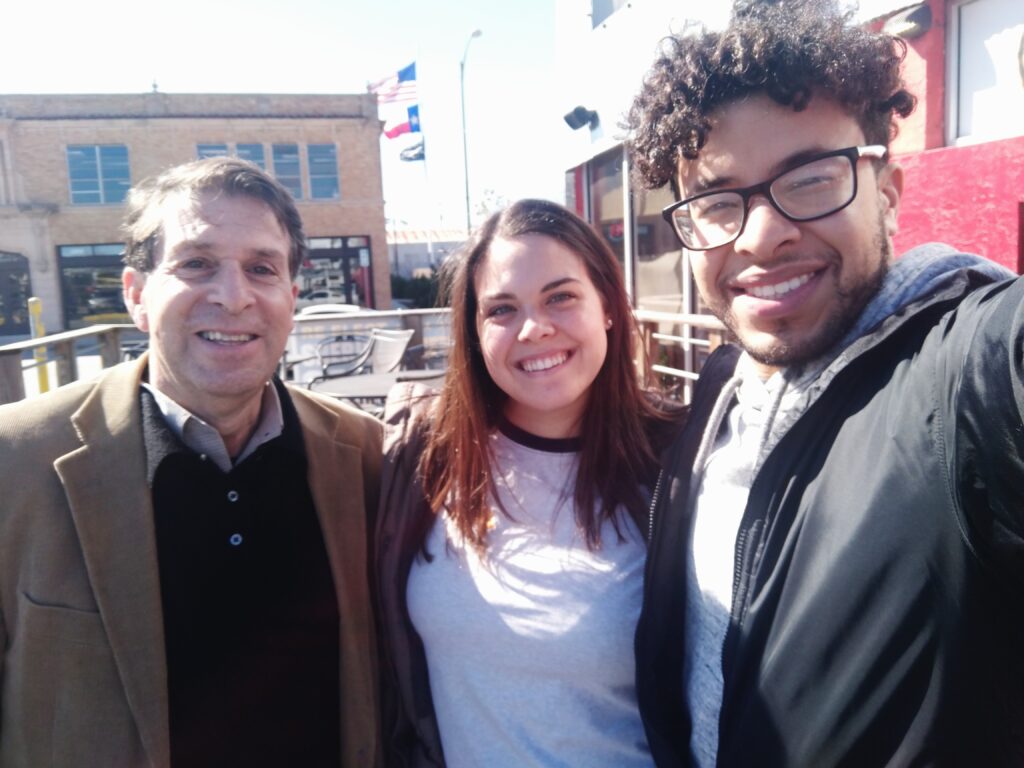
banks of the Ohio River in New Albany, Indiana. (Photo/Keith Schneider)
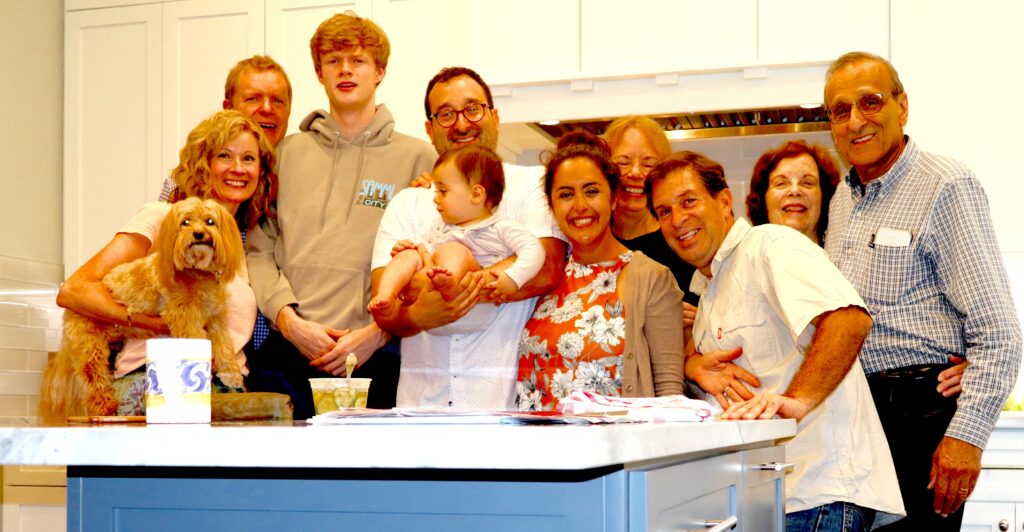
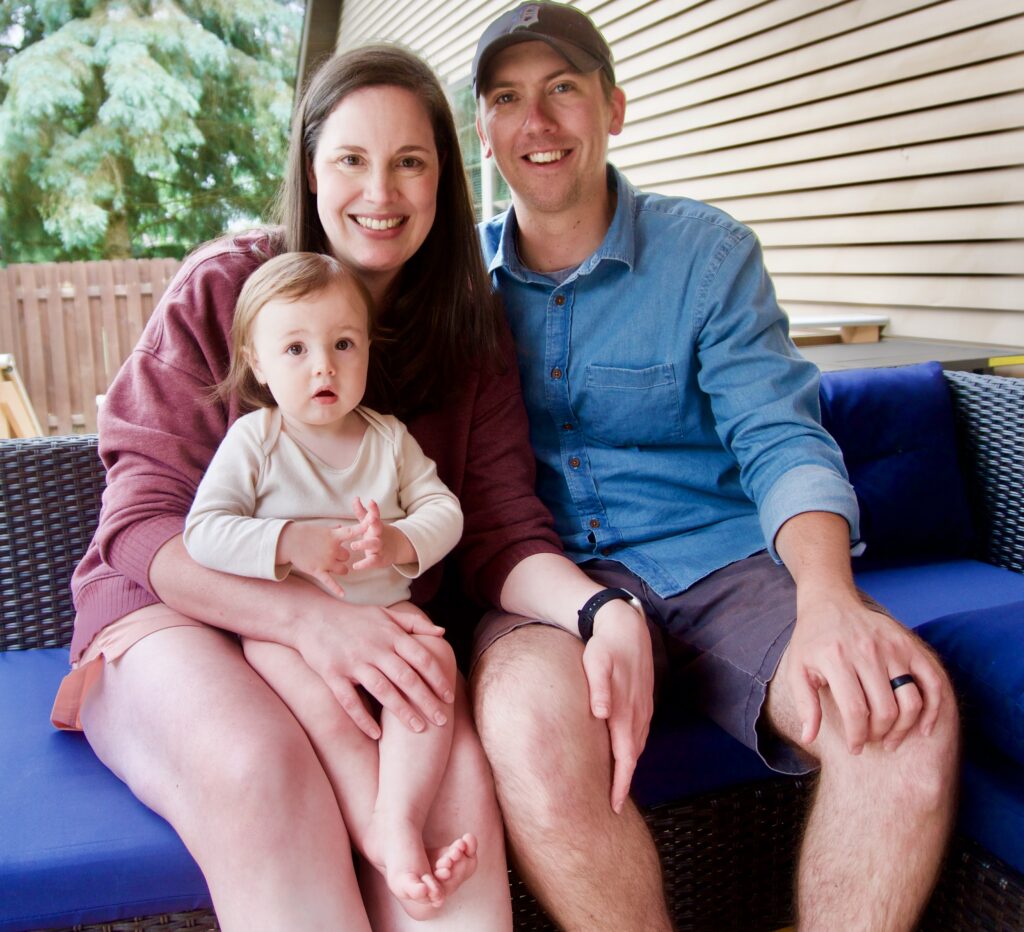
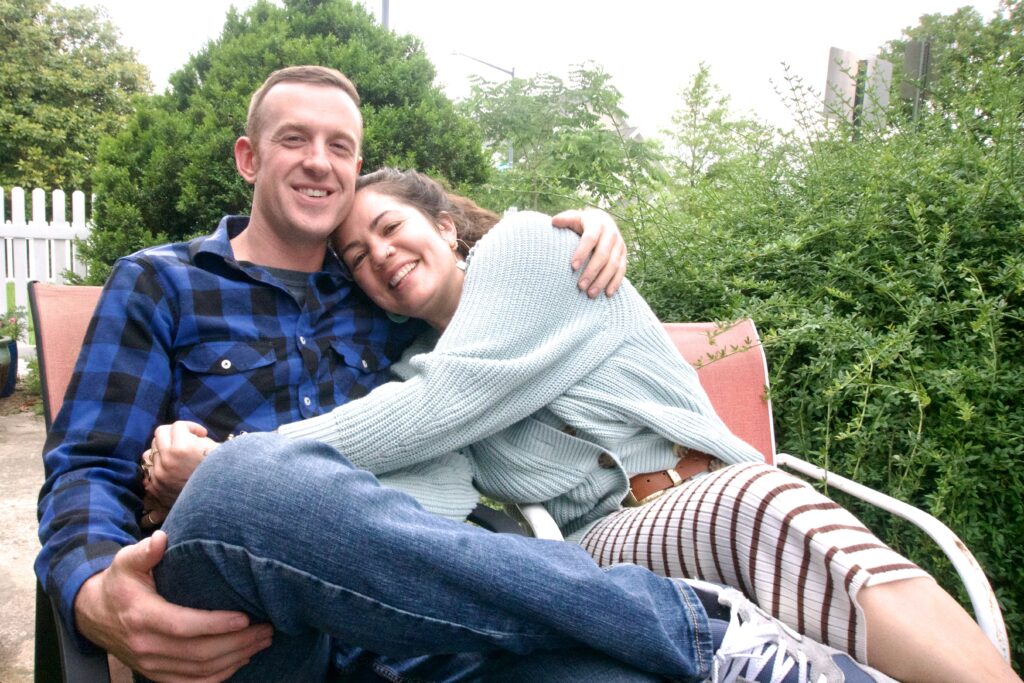
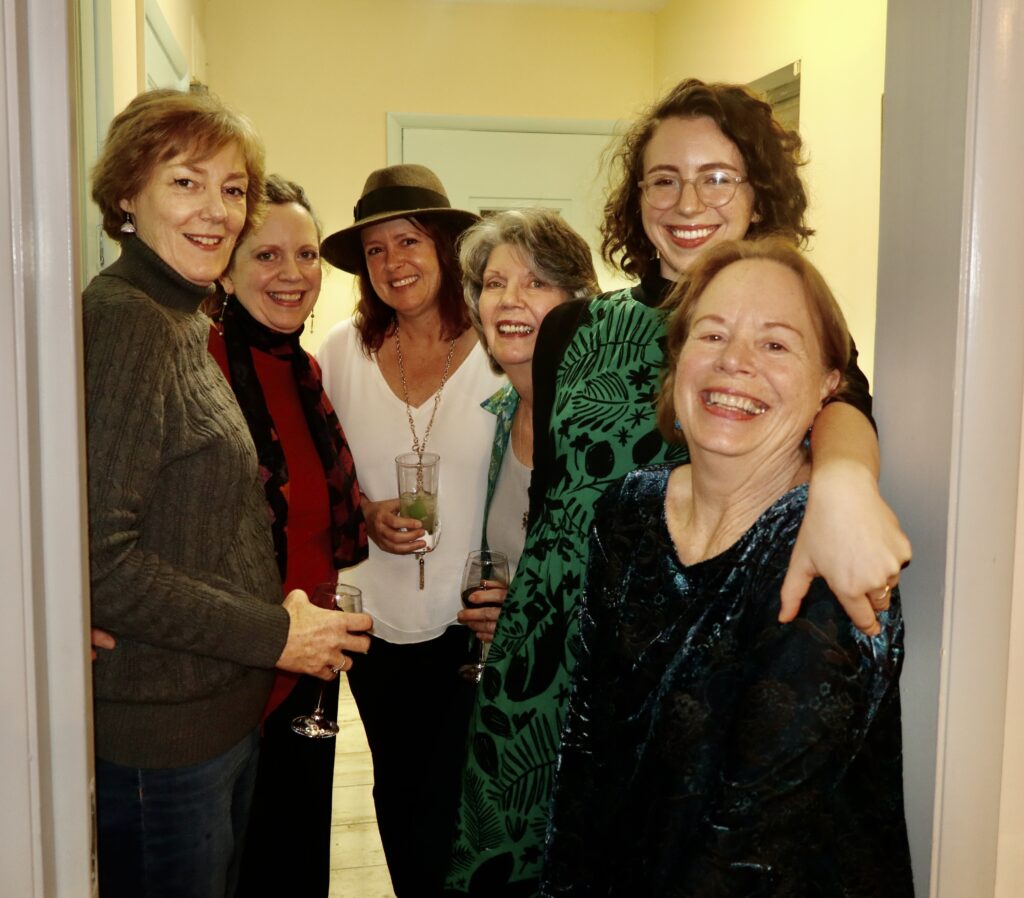
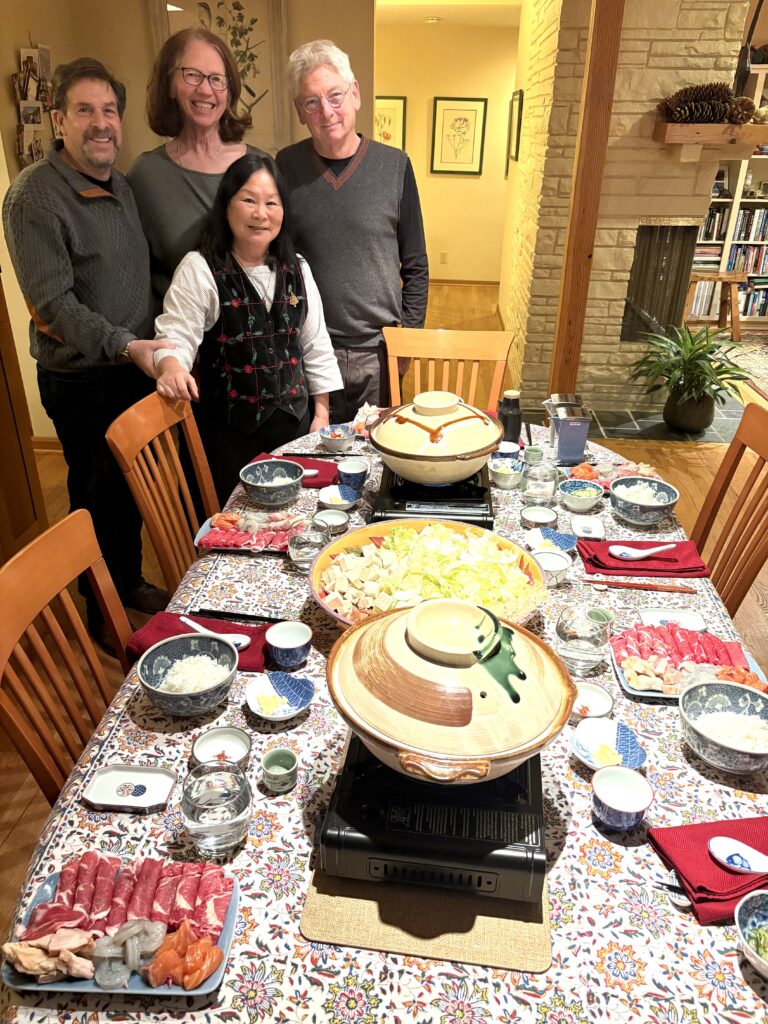
David and Anoush Faris, Sheerine Alemzadeh, Gabrielle, Me, Jane and Ralph Faris. (Photo/Keith Schneider)
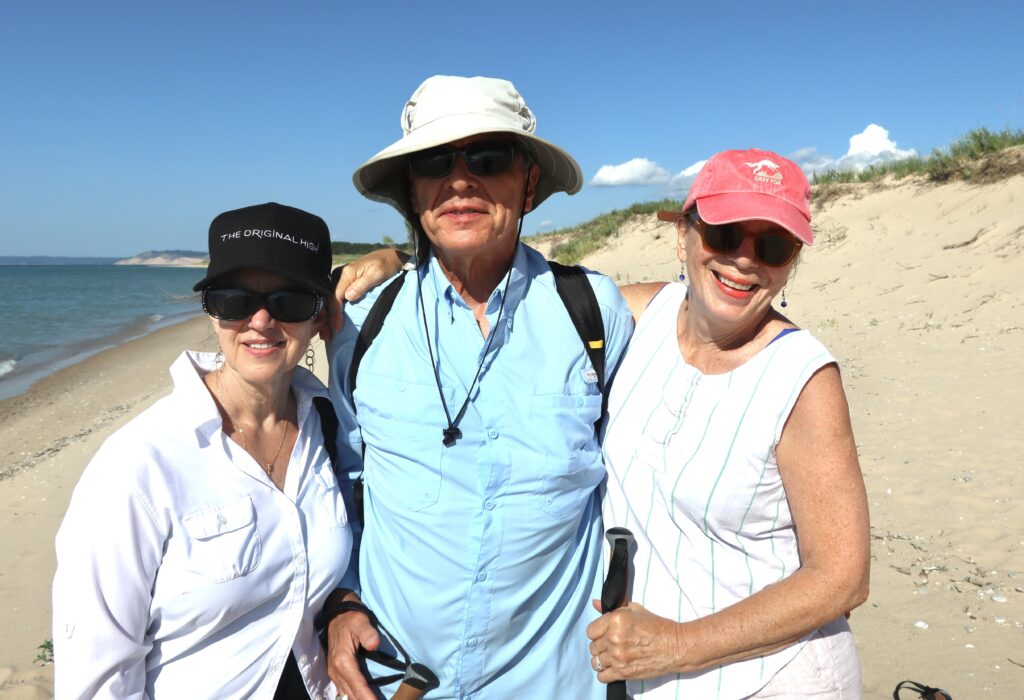
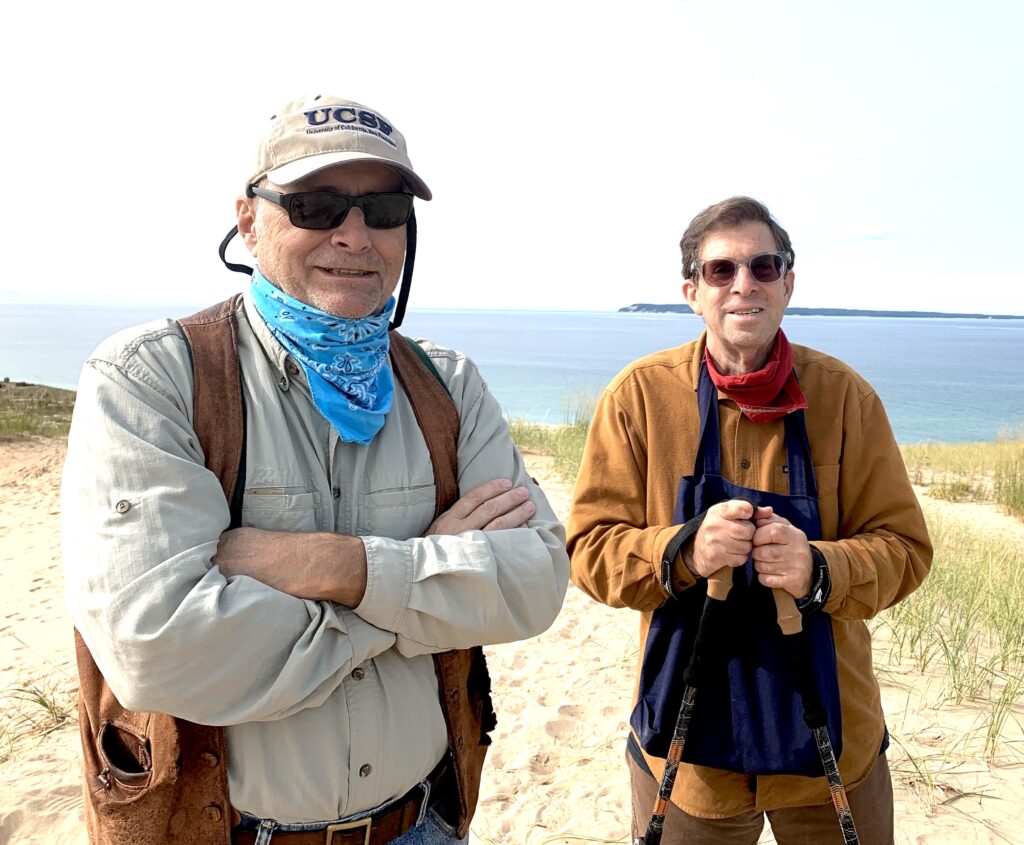
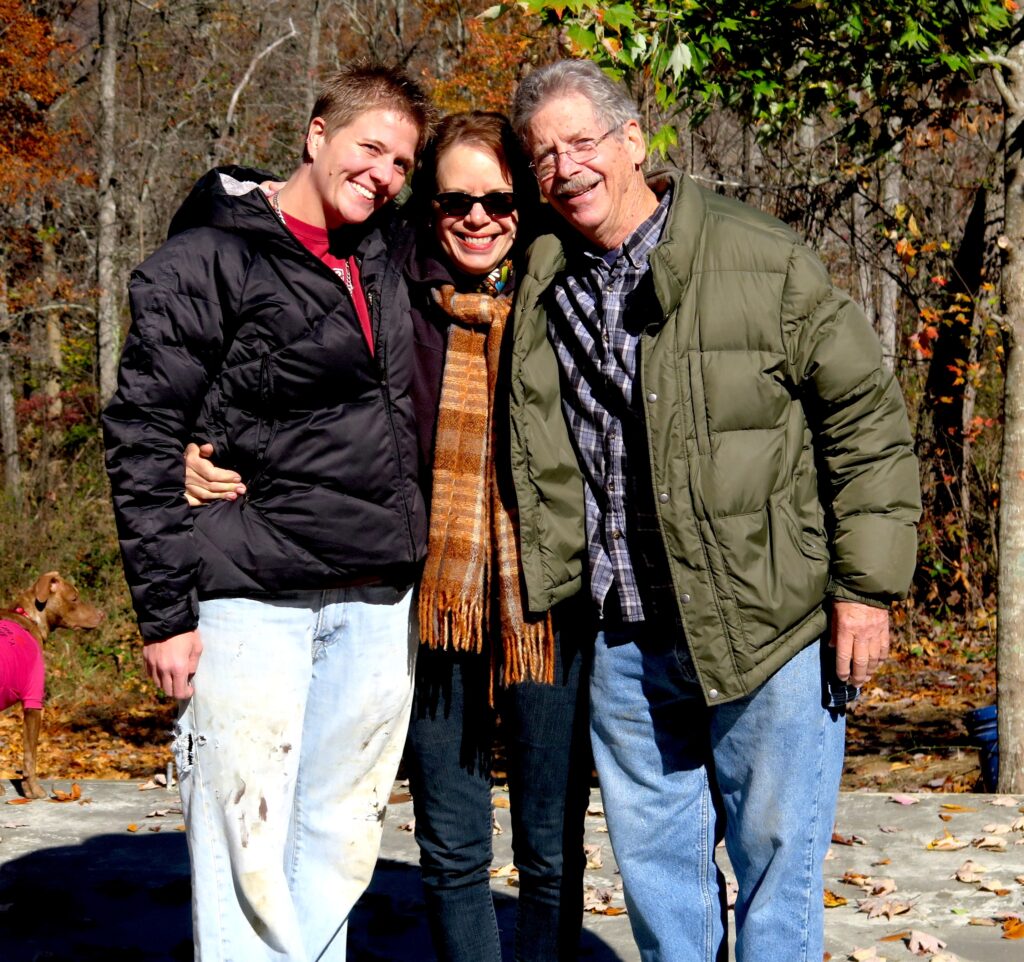
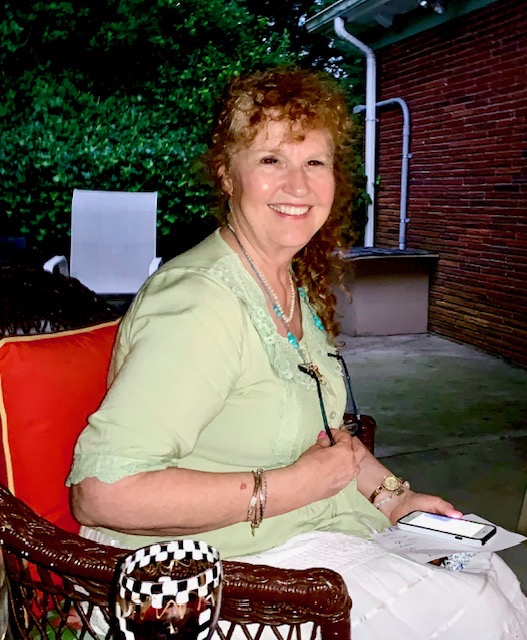
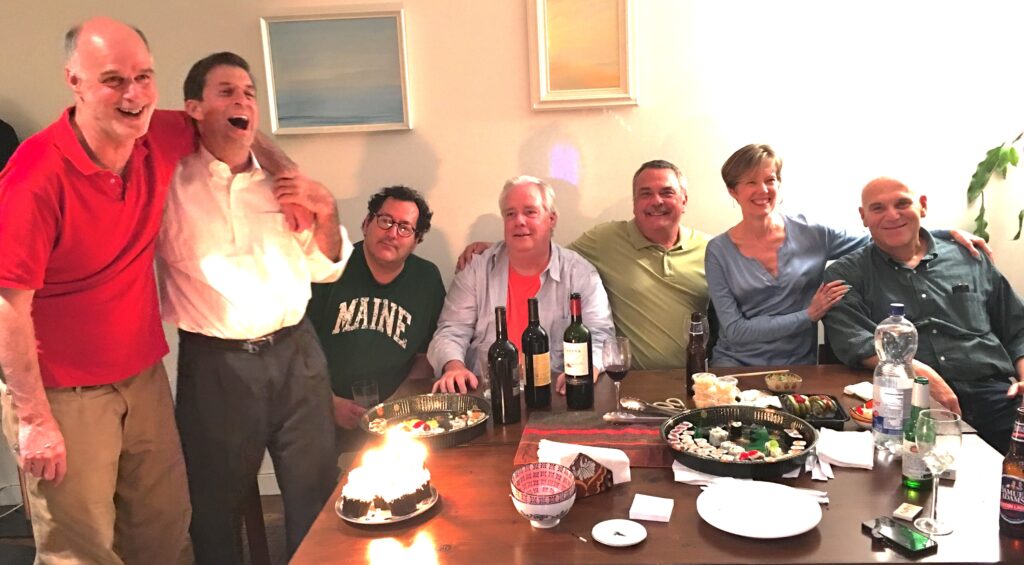
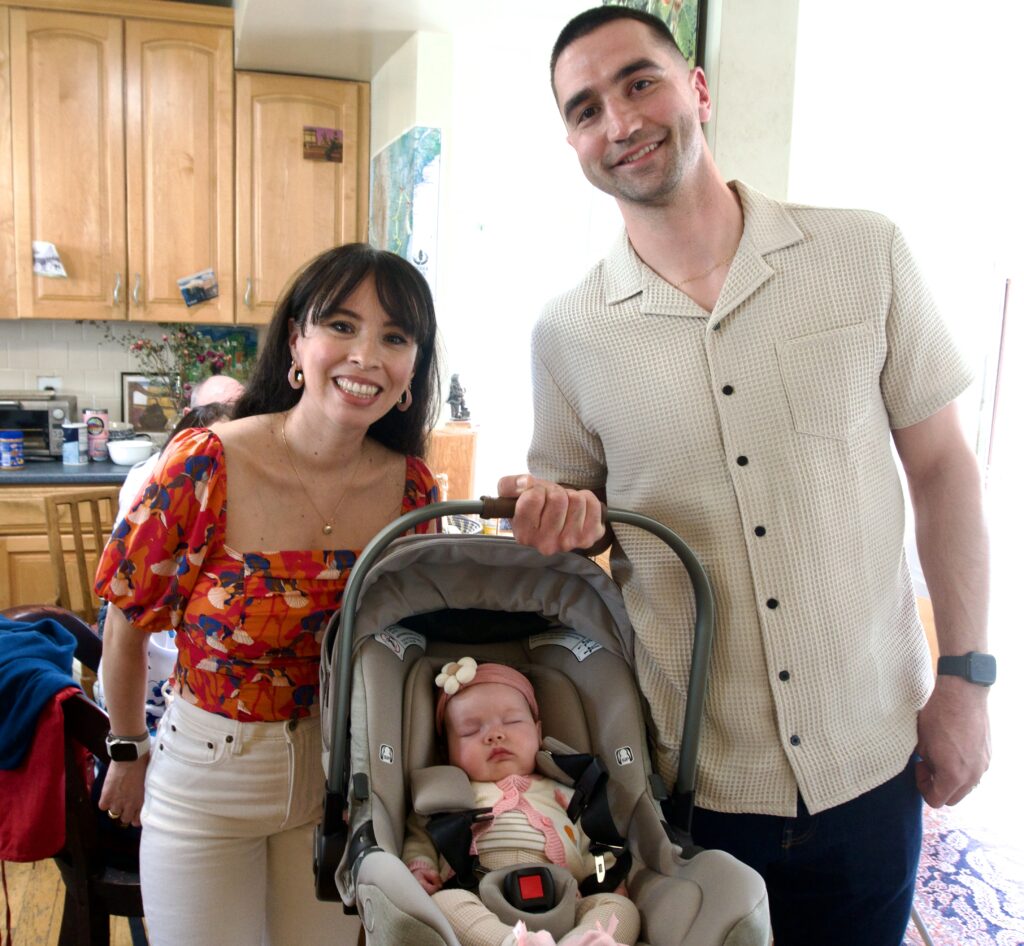
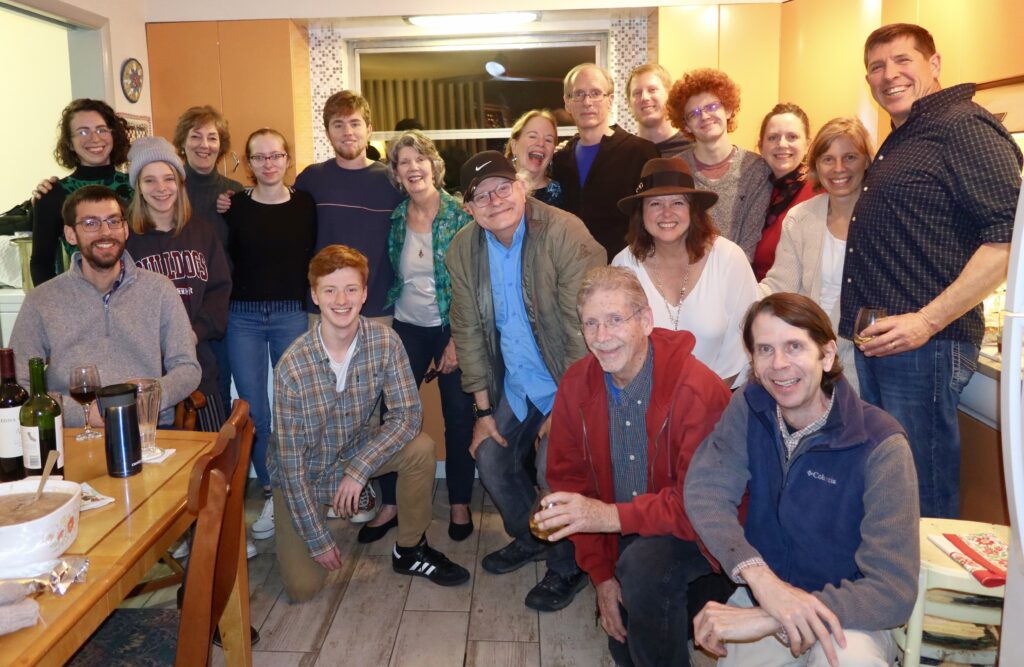
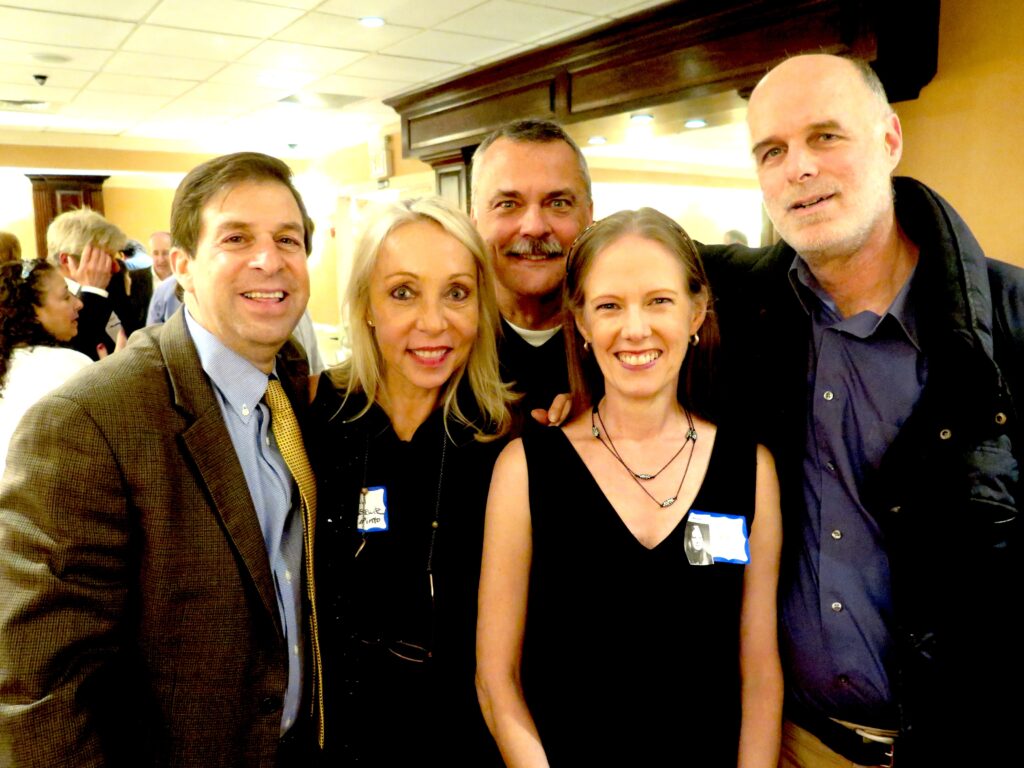
Gerry Fitzmaurice, Bob Fargo, Victoria Murphy, Andy Feinman. (Photo.Mary Van Hoomissen)
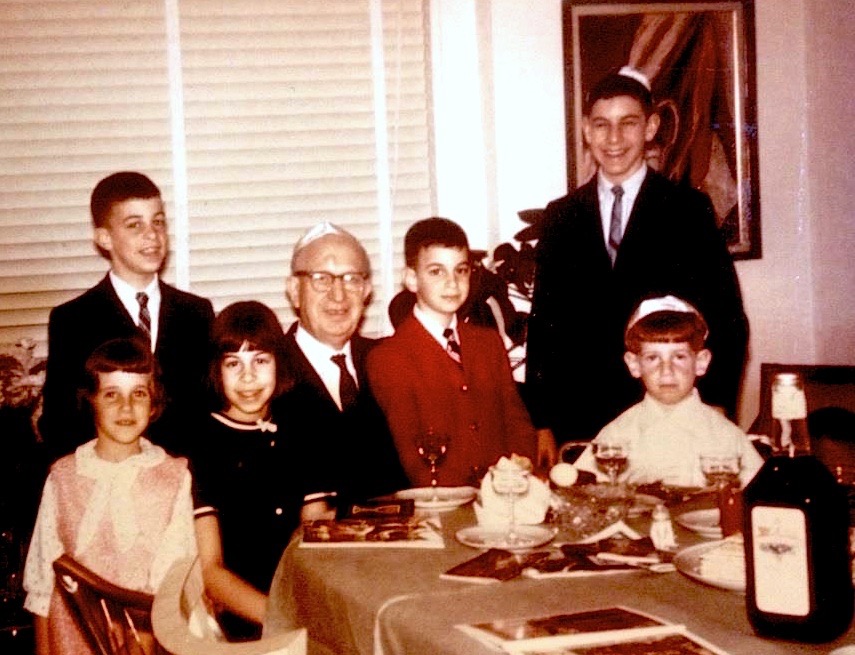
Papa Sam Schneider and grandkids (l to r) Marian Levy, me, Allison, Sam, Grant, Reed, David Levy.
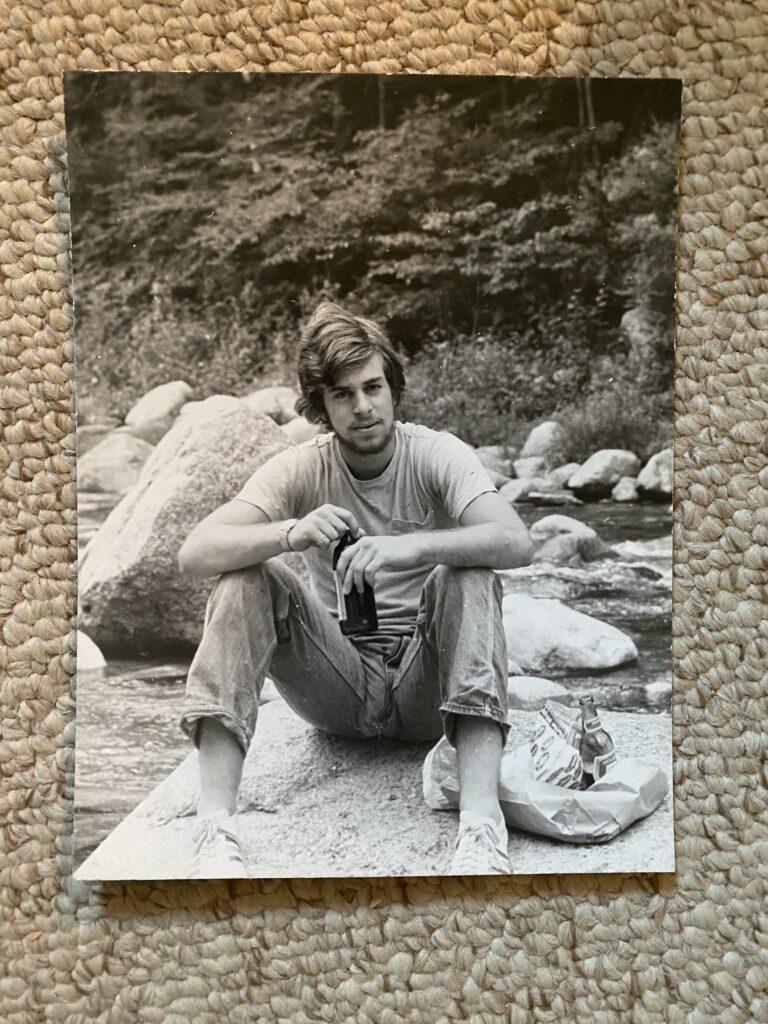
Happy Birthday Keith!! Love all the pictures. Love the picture of you in your 20’s! It has been a ride, hasn’t it? Full of friendship, love, adventure, and connection. So glad you came to Benzie County we are lucky to have you!
Deanne and Robert
Marvelous, fascinating look back, Keith!
Kudos for your beautiful writing and photography!
Warmest regards,
Jane
Happy Birthday and thanks for capturing old friends in your memories. Solberg, Walker, and O’conner are all folk I would love to meet again. Keep reporting on stories worth writing about. I appreciate them very much and I appreciate your attachments to land and culture.
Loved reading about your life!
Happy 70th!
Your journey and the way you do it justice in writing are inspiring. Looking forward to the next look-back!
Happy Birthday Keith! And THANK YOU for the Inspiration you are in our lives since the day we met!
Absolutely remarkable – sharing your Amazing journey, delightful friends/family, understated achievements, Planetary Compassion, incredible energy – Impeccable Attitude & commitment throughout!
______________________
Da Ralph expressed so eloquently, reading our minds, as it were… : )
w/much Love & Appreciation,
patrick & taffy
That’s a wonderful way to put it – it really does feel like a lifetime of memories rushing back when you think about that era.
Keith, thanks for the gift. To return the intention I offer Frank Lloyd Wright, a fellow builder I was enthralled with for my early career but most recently returned to study. Frank started the Taliesen West Fellowship in the mountains outside Phoenix AZ after a long career in Wisconsin and Chicago. Frank did not step foot in Arizona till his 70th birthday! My inspiration I share with you that great things are ahead if you seek them. 70 – the new 55. Be well.
Wonderful reflection! Belated happy 70th!
O my goodness, what a rich read…and a full life of love. So glad you called attention to this my friend!
Hi Keith & Happy Birthday to the finest journalist I’ve had the pleasure to meet over 4 decades of meeting journalists. Enjoyed getting to know more about you herein, and am looking most forward to your 80th Birthday reflections. We are going to be in the Traverse City Area for a week in mid July. Coffee’s on me if you will be around.
WHOA HO KEITH! Happy 70th Birthday … (and a Month). Such rich writing…. Darn you… The rest of us tend to write “Still Here” You were, still are, and always will be, a chronicler of our times, and I as well as many friends are grateful for your talents. Write On Keith!