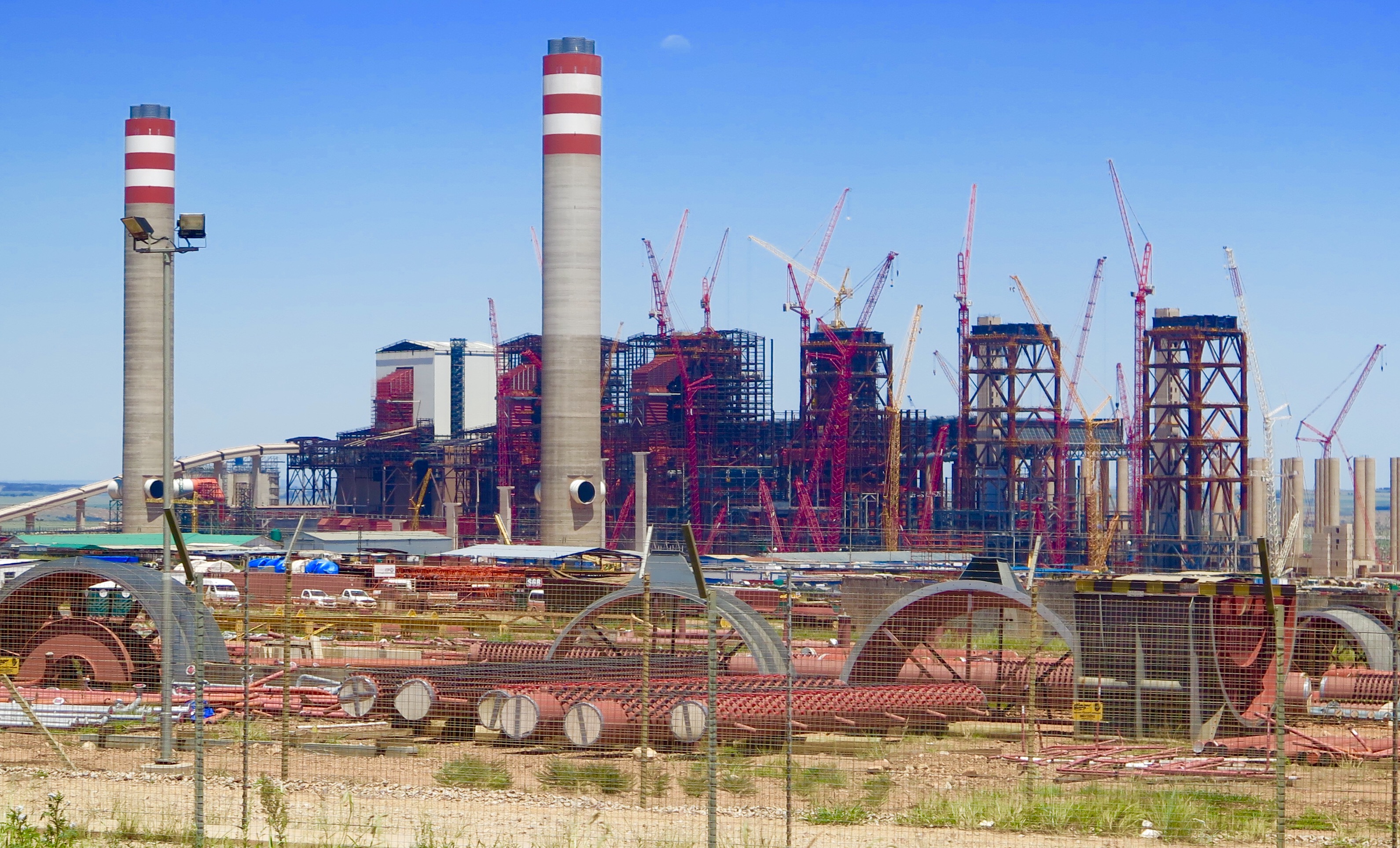

opposing groups reach consensus on a cogent response. (Photo/Keith Schneider)
Residents of Boone County, Indiana, had a lot to be anxious about in 2023 when state authorities revealed the scope of a nearly 10,000-acre innovation and high-tech manufacturing park they were developing outside Lebanon, a half-hour drive northwest of Indianapolis.
One concern was the public taxpayer cost of the LEAP project – short for Limitless Exploration/Advanced Pace – now nearing $1 billion. Another was the way authorities made big decisions for the “mega site with mega opportunities” with zero public consideration. Energy demand and managing the development’s wastes also commanded attention. Still, even in a Great Lakes state where water is commonly considered to be available in abundance, Boone County’s central worry was this: How much water would the project’s tenants need for operations?
Two years later that question has been resolved. Largely due to effective civic organizing that resulted in public meetings attended by hundreds of people of every political alignment – encompassing the right, the left, and everyone between – Indiana lawmakers set out to accomplish an all-too-rare display of good governance. In April, Republican Gov. Mike Braun signed a new state law to assure that water demands for new developments undergo evaluation and permitting so they don’t drain Indiana’s surface and groundwater reserves.
The intensity of the civic resistance and the state’s response opens one more all-too-rare opportunity. In an era rife with political disagreement, Americans are capable of finding common ground in the work of securing their water supply.
“Folks on the left, folks on the right got together,” said Kerwin Olson, executive director of Citizens Action Coalition, an Indianapolis-based environmental advocacy group that helped build public consensus. “Groups were formed. Meetings were held where there were in excess of 1,000 people. Legislators lost their jobs. It really, truly was water. Water is life. Water is a unifying issue.”
The idea that water can produce political unity is not new. International treaties to share water, like the one that the U.S. and Mexico signed in 1944 for three transboundary rivers, are common around the world. Across the arid American West, assuring ample water has been a requirement for new industrial development for decades.
Still, a convergence of powerful trends in climate, population growth, and the escalating water demands of advanced manufacturing and technology industries is driving water supply to new prominence as a public concern in places it never was before. In 2007, for instance, Indiana recruited Nestle to build a 215,000 square-foot water bottling plant in Greenwood with scant public attention to its water demand.
Such civic indifference no longer exists in America east of the Mississippi River. Examples abound.
Facing a sharp growth in demand, Georgia just approved $501 million for water treatment and water delivery infrastructure near Savannah to satisfy the needs of Hyundai’s new electric vehicle manufacturing plant.
Water supply lies at the center of public opposition to a new electric vehicle battery plant in Mecosta County, Michigan.
The developers of a high-tech research and manufacturing center in Chicago are seeking to reduce public anxiety by promoting a closed-loop cooling system that does not draw new supplies of water from Lake Michigan.
Indiana Compelled to Consider Water
Water wasn’t a primary consideration when the Indiana Economic Development Corporation began assembling farm land outside Lebanon for LEAP. The central marketing message was that the immense development would sit alongside I-65 at the center of a “world without limits” 30 miles northwest of Indianapolis, the state’s capital and largest city, and easily accessible to Purdue University’s world-class science and technology programs.
That was enticing to Eli Lilly, the Indianapolis-based drug manufacturer, which jumped in with an investment that now totals $13 billion to build research, processing, and manufacturing plants for its next-generation therapies and for its diabetes and obesity medicines. Meta, the parent company of Facebook, also expressed interest in building a 1,500-acre mega-water-gulping data center. Other companies were and still are being recruited to build advanced manufacturing plants in agricultural products, electrified transportation, and computer chips.
When state authorities revealed proposals to build two water pipelines, each about 50 miles long, to transport 150 million gallons a day from surface and groundwater reserves to serve LEAP’s demand, public anxiety escalated into powerful civic resistance.
Enter Citizens Action Coalition and its compelling December 2023 report charging state authorities with operating in secret, and raising concerns about the development’s cost to taxpayers and utility ratepayers. Most importantly, the group found that the region north of the state capital may have insufficient supplies of water to support the LEAP development. CAC called for Indiana to develop a new statewide industrial development policy to “secure water availability for communities into the future.”
States too often treat public campaigns that raise big questions about the economy, policy, and security of natural resources as an imposition unworthy of either serious consideration or concerted action. Not this time in Indiana. Former Republican Gov. Eric Holcomb ordered two studies that found that the supply of water will meet LEAP’s requirements and future demand. The authors of both reports also called for more aggressive water conservation practices to ensure adequate supplies.
Then came passage of the new water supply law. Since then, “water has mostly died down,” said Kerwin Olson of CAC. Still, the public vigilance about LEAP’s tenants remains keen. “Other things have overwhelmed the conversation,” Olson added. “Like the energy piece.”
In two years, Indiana assembled civic restiveness, agency oversight, and legislative consideration into a consensus that quelled concern over the supply of an essential resource. The pace and success of the state’s response to overwhelming public concern is unusual and noteworthy in our era of political belligerence.
— Keith Schneider