BARCELONA – It’s useful to know that the dreadful leadership and debilitating governance that is trying to wreck the American experience is an outlier among the nations of the world. Just as relevant: assuring water supply and quality, not generally viewed as the most alluring feature of urban security, was described here as an essential element of any city’s success in an increasingly warmer and water-stressed planet.
Those were two of the useful messages that the organizers of the Smart City Expo World Congress delivered early this month in a Barcelona conference center so large it took 20 minutes to walk from one side to the other. Convened in Barcelona every year since 2011 the Congress honors urban communities as the places where most of the 8.1 billion people on Earth live, where most of the natural resources and products needed to sustain them are used, and where most human innovation occurs.
It’s quite the celebration. Some 27,000 municipal leaders, business executives, and organization professionals participated this year from two-thirds of the world’s 195 countries. They came for deep conversations about solving urban challenges, to display state-of-the-art software, devices, and equipment, and to introduce powerful new practices fully intended to assist humanity in producing a new epoch of human dignity and safety. Hope was fully present among this crowd.
The annual three-day gathering has helped this city of 1.7 million build its global reputation as a choice place to live and relax. Following the 1992 Olympic Games that were held here, Barcelona spent the next two generations developing and acting on many of the useful ideas shared during the three-day conference. This year the focus was on applying AI to improve and speed the work of electrifying transportation, designing and constructing affordable housing, modernizing planning, improving safety, and strengthening management of land, water, waste, and natural resources. All the contemporary principles about world-class well being were in play here: resilient, sustainable, circular economy, affordable.
Dato’ Seri Maimunah Mohd Sharif, the mayor of Kuala Lumpur, explained to an audience of 1,000 listeners what can happen when capable leaders apply those principles persistently and deliberately. She described how Malaysia’s largest city built thousands of new affordable residences, constructed miles of high speed driverless metro lines, opened acres of new green spaces, and restored the shoreline and water quality of the once-polluted Klang River, which runs through the city. She summed up the results, which cost tens of billions in public and private dollars and is a generation in the making, this way: “Our work is to make the city livable and lovable.”
Contrast that assessment with the despicable actions that President Trump is taking against American cities. He’s falsely described the country’s big cities as dirty, dangerous, chaotic, and poorly managed. He declared a “public safety emergency” last summer, dispatched armed troops to patrol in Washington, D.C. and Chicago, and suggested that the active military use the streets of the biggest U.S. cities as training grounds.
A number of people here approached me to express their sympathy, some their alarm, at the president’s behavior. Those conversations, fortunately, were brief. “We’ll get through it,” was generally how I responded. I was more keenly interested in attending side meetings organized to discuss how to marry the promise of AI to effectively act on the real world jeopardy of rising global temperatures and the effects, mostly negative, on the supply of natural resources, among them adequate access to clean water.
In one meeting panelists projected much more deployment of AI in drinking and wastewater treatment and transport. The technology, for instance, can significantly reduce leaks by analyzing data and giving city managers accurate predictions of where and when pipes would break. Tucson is an early adopter of AI to repair and replace pipes before they rupture.
But in another side meeting, panel members noted how AI was challenging progress on water conservation due to the surge of construction for water-wasting, energy-hungry data centers that are being built at breakneck speed in the United States, India, China, and several European countries.
How long data centers remain a challenge to water supply is not known. Resolving the confrontation is a matter of high urgency. Cities, though, are sure to exercise their political strength and technical capacity to lead the development of solutions. That’s what cities do. They are laboratories of innovation and action that confirm the relevance of new ideas to influencing real world urban experience.
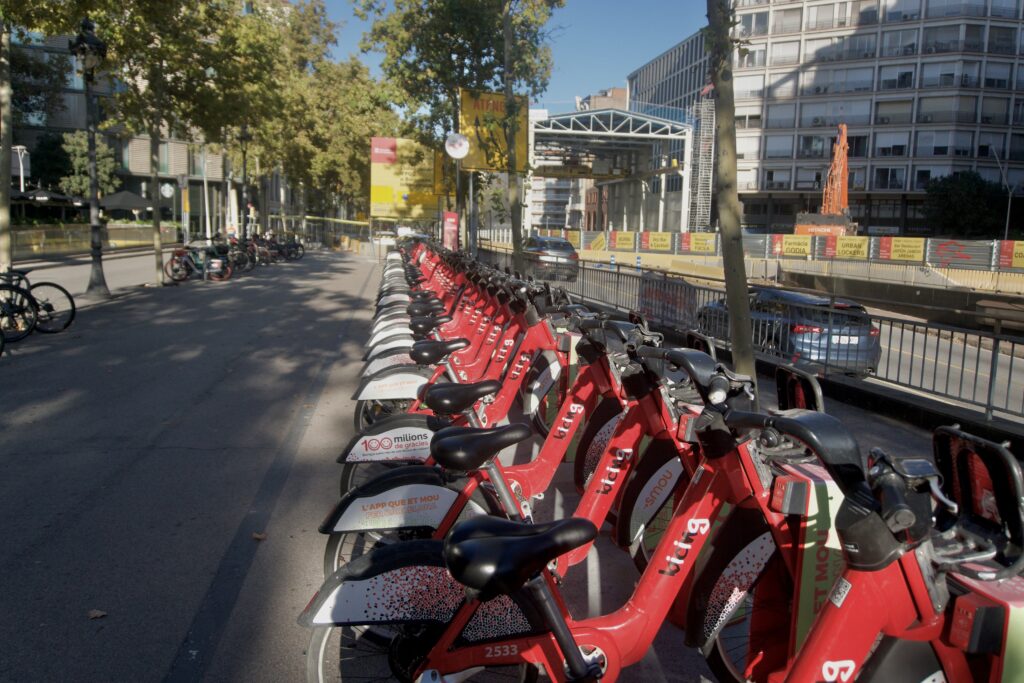
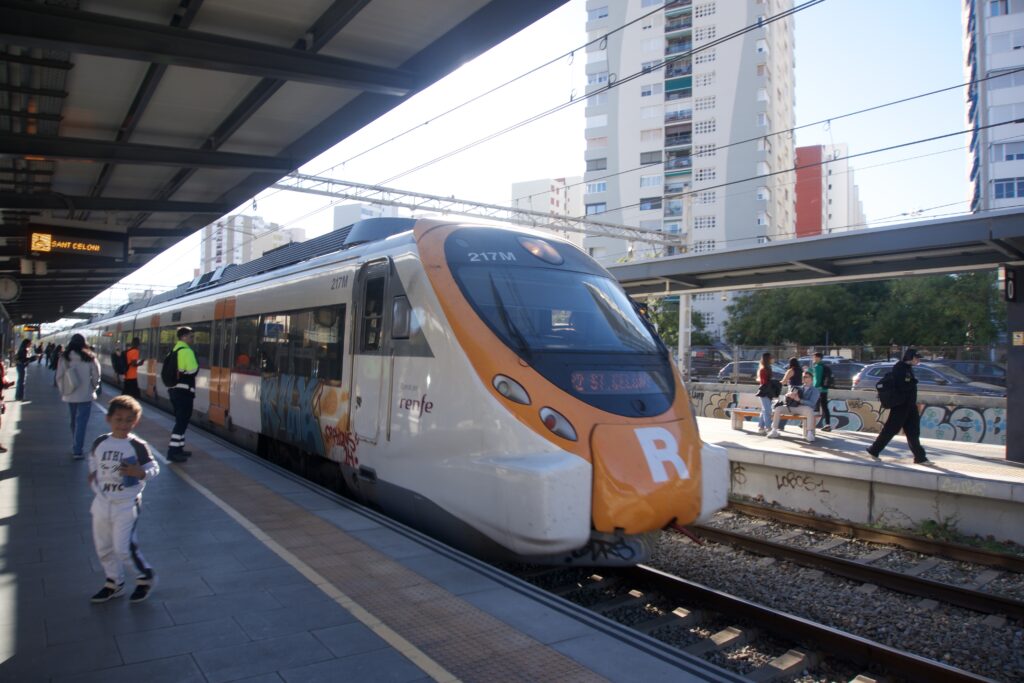
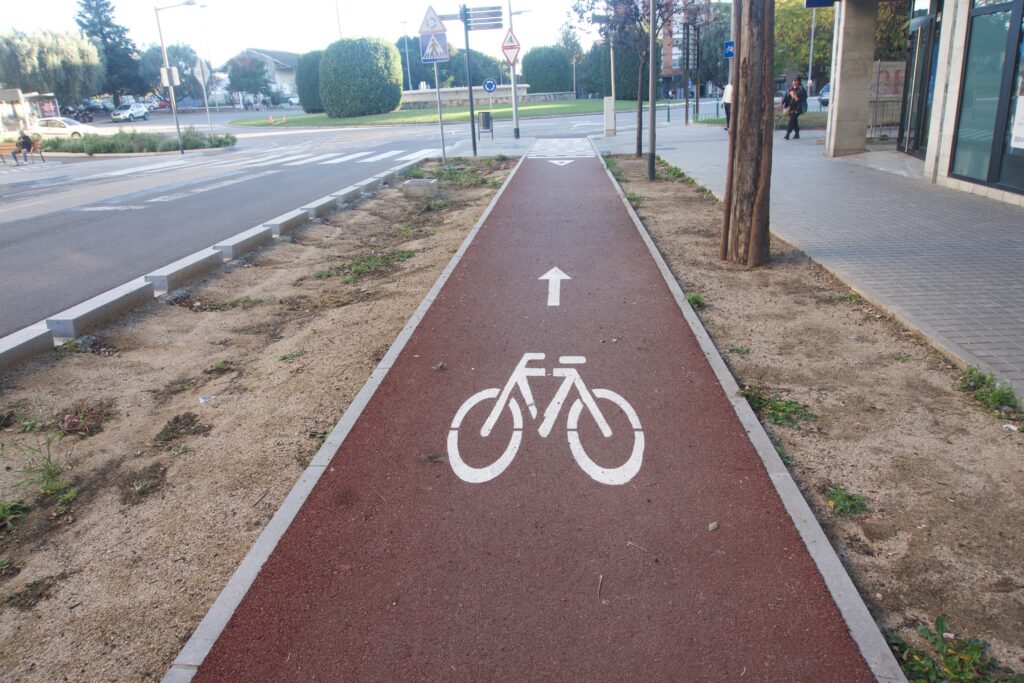
Barcelona is a working model of what’s possible. In collaboration with other cities in the metropolitan region of 5.1 million residents, Barcelona methodically and persistently built a safe, affordable, beautiful, and dynamic stage for human habitation. The charming Catalonia-style apartment buildings, alongside wide and shaded sidewalks, are fully occupied. Electricity and batteries power buses, taxis, bikes and scooters, and the city’s fast, clean, and expansive metro subway network. The city built bike lanes encompassing hundreds of miles in and far outside the central city. And everywhere are sidewalk cafes, many open late into the night, for dining on food that spans every culture and taste.
In sum, Barcelona is fun and magnificent. Its development as a choice place to live and visit is no accident. It rests on a lot of work to secure the city’s water supply, cool the streets, and restore sea and river shorelines.
Mediterranean beaches are accessible and clean. In 1995 the city launched an expensive restoration project to reduce pollution and restore the shoreline of the Besós River that yielded cleaner water, three miles of trails and 285 acres of wetland and public parks. Barcelona built large underground storage basins to retain rain water. It’s requiring new buildings and major renovations to install plumbing that collects greywater, and it’s using the water to irrigate its trees and public gardens.
These and other water conservation and cleanup measures helped the city survive a three-year drought emergency that started in 2022. Authorities set limits on uses, especially to fill swimming pools and for irrigation. Per capita daily water consumption declined by almost 20 percent. Thousands of street trees died and a 20-year-old pedestrian was killed in 2023 when a water-starved palm fell on her. City reservoirs were 94 percent empty at the most urgent stage in the summer of 2024.
In an interview, Barbara Pons, the former chief executive of Barcelona’s planning agency, said the drought tested the city’s readiness for long spells of hotter and drier conditions prompted by climate change. “We are looking at all of our water supply and water transport infrastructure to expand and improve our capacity to meet the city’s demand in crisis,” she said.
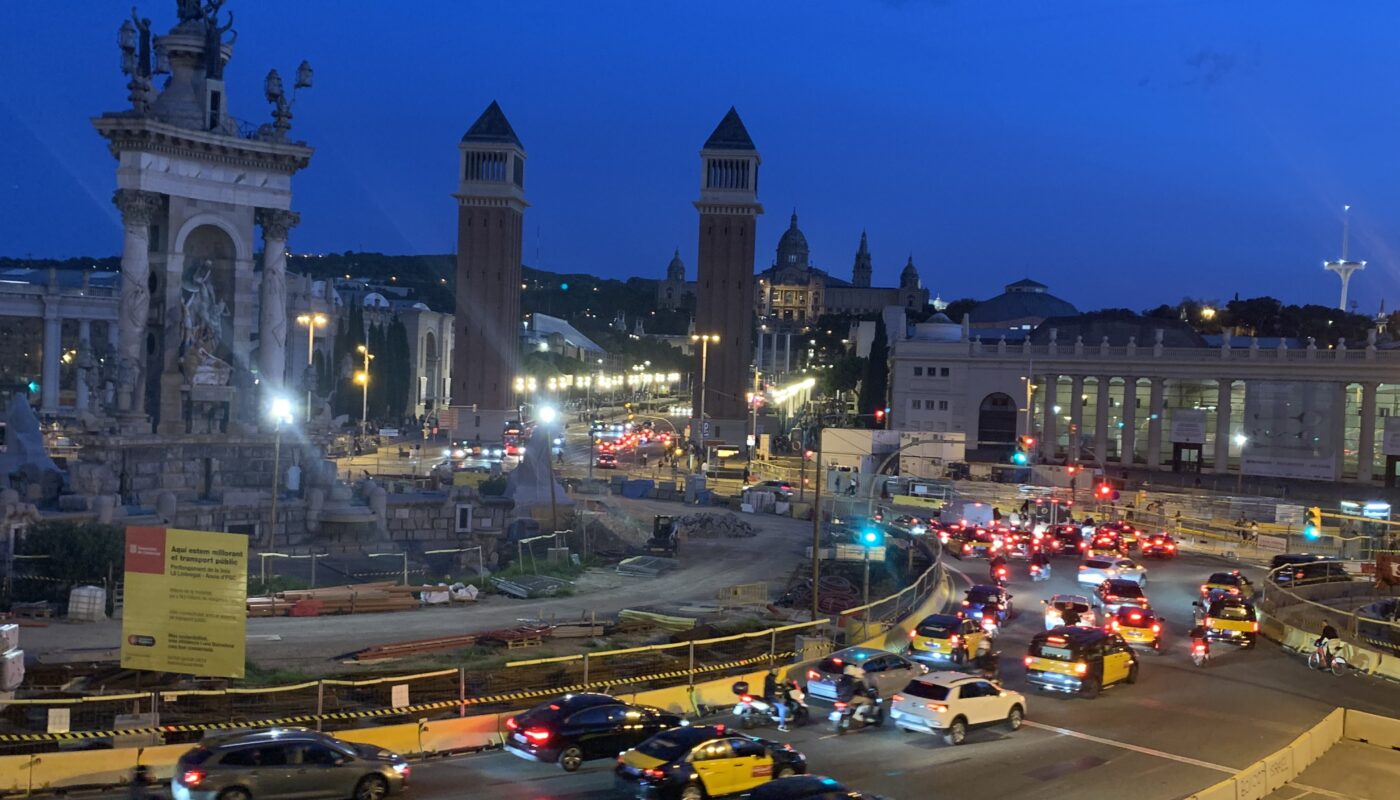
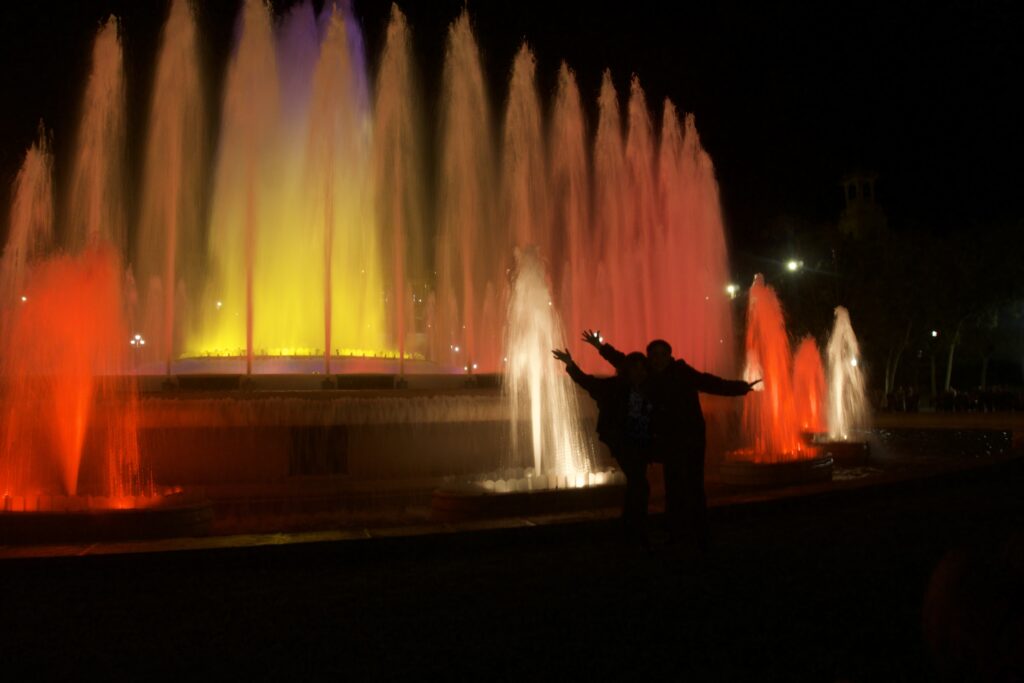
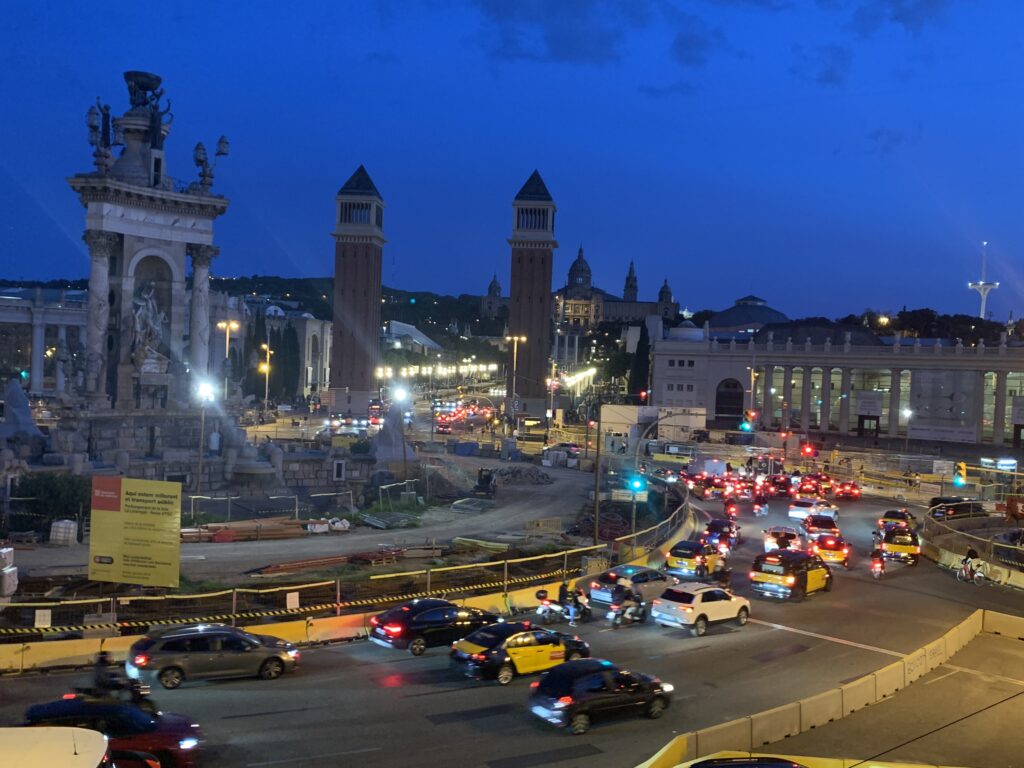
Arguably no symbol of water stress is more powerful or visible than the Magic Fountain in Plaça d’Espanya, one of the city’s most prominent gathering places, and one of the world’s most magnificent displays of rushing water, light, color, and power. Built in 1929, the drought ended the fountain’s popular weekly shows in 2022. The city used the shutdown to repair equipment and add new capacity.
It started to rain again in Barcelona earlier this year. In September, city managers opened Magic Fountain for the hour-long show of cascading water attended by thousands of delighted residents and visitors. The fountain is like a living creature focused on delight. It lifts geysers 120 feet into the cool night air. It produces jet streams in a ring, like swords lifted into a circular salute. Thick mists of every color on the rainbow rise in a cloud from the fountain’s heart.
No fireworks display that I’ve ever seen, including big shows in Washington, Boston, and New York, was more impressive, more beautiful, more thrilling than the water that forms countless shapes and is thrown high into the sky at Barcelona’s Magic Fountain. It’s the glamorous feature, a crown of water-borne jewels, that lies atop the hard work that Barcelona accomplished to make itself one of the world’s most livable and lovable cities.
