Here are two more reasons to be appalled by President Trump’s order to attack Iran.
First, fuel shortages caused by the closure of the Strait of Hormuz exemplify why and how China took command of renewable energy and electric vehicle manufacturing, the primary water-saving, climate-conserving, fossil-energy-eliminating industries of this century.
Second, battery-powered vehicles and solar photovoltaic cells, which convert sunlight to electricity, were developed in the United States and are now being industrialized more intelligently and marketed more effectively outside our borders.
How ironic. How predictable. How aggravating. How dangerous.
Time and again, America has invented the future and then handed it off. Railroad locomotives, semiconductors, nuclear reactors — conceived here, built elsewhere. Now, as economic disruption and military conflict generate fossil fuel shortages and record-setting prices, renewable energy and E.V.s look like attractive solutions.
We know this movie. For at least two decades scientists and environmentalists insisted that renewable energy was a sound strategy for recharging electric vehicle batteries, especially during periods of fossil energy disruption. The economic and ecological benefits also are manifest. Millions of jobs could be developed in two of the most important industries of our time while also reducing the carbon emissions causing Earth to generate droughts and storms that grow more deadly and costly by the month.

U.S. Clean Energy Transition: Start and Stop
The U.S. has certainly not neglected opportunities to generate energy from sun and wind, and to move people and goods with electric vehicles. It’s just that over the last half-century America has been so consistently inconsistent.
The first big step forward was taken by President Carter, a champion of wind and solar energy, who set a goal to generate 20 percent of the nation’s energy from renewable sources. In 1978 he signed the National Energy Act to shift production away from oil and natural gas, reduce U.S. dependence on foreign oil, conserve energy resources, and promote alternative energy. A year later he made his allegiances visible and symbolic when he installed solar panels on the White House roof.
Presidents Clinton and Obama built on that record by approving tens of billions of dollars in direct federal investment and tax incentives for solar and wind energy, and stricter regulation of air pollution from coal power plants. President Biden considerably advanced clean energy sector goals by promoting a net-zero, low-carbon economy, and big investments in E.V. and renewable energy. Wind and solar energy became the sources of almost all of the country’s new electrical generating capacity. New battery and E.V. factories were built. The U.S. signed the 2015 Paris Climate Accord and was among the countries developing large clean energy generating stations and manufacturing plants.
The shift could have been much faster and more powerful, though, but for one crucial impediment. Republicans have been less enthusiastic, starting with President Reagan, who cut funding for renewable research and development and eliminated tax breaks for wind and solar technologies. He expressed his ardent disdain in 1986 when he ordered Carter’s rooftop solar panels to be removed and not replaced. It was like throwing an old mattress into the street.
Both Presidents Bush were better, establishing tax credits for clean vehicles, renewable energy, and energy efficiency. But by comparison, they were more intent on promoting production by their allies in the fossil energy sector.
Egregious Decisions From White House
The worst by far, though, is President Trump, who’s identified and sought to kill almost every federal climate-saving, water-conserving, clean energy, and electric vehicle initiative. That cascade of thoughtlessness has had an ironic consequence.
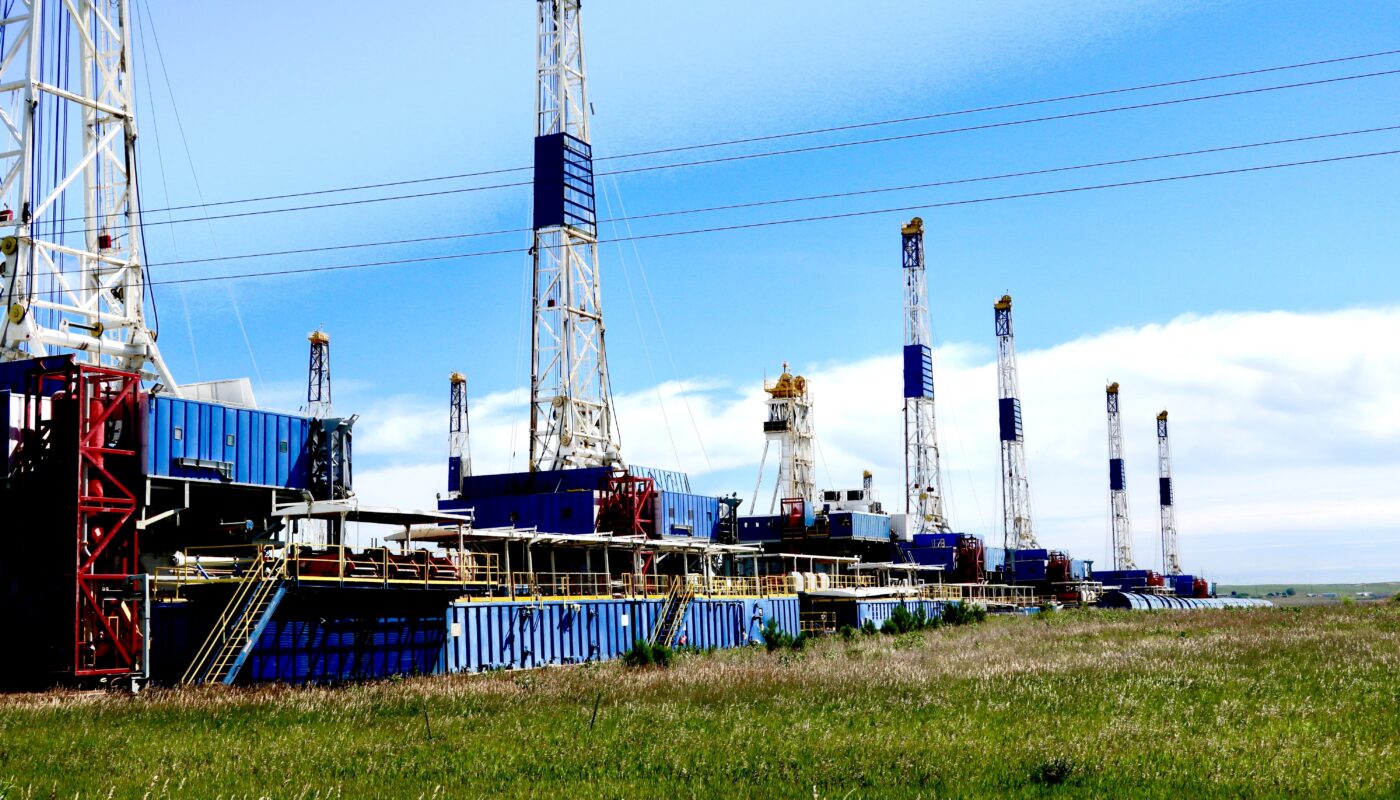
The closure of the Strait of Hormuz in late February accomplished in 12 weeks what decades of climate and clean energy advocacy could not. It’s begun shifting investments away from fossil-based energy and transportation and poured tens of billions of dollars into cleaner, safer, cooler, more efficient energy and transportation across the world – except here in the U.S.
China certainly anticipated that fossil fuel shortages would increase markets for electric vehicles and renewable electricity. Chinese leaders operate their economy on over 30,000 miles of electric high-speed trains built over the last 17 years, the largest wind and solar manufacturing capacity, and the largest and most advanced battery and electric vehicle industry in the world.
I reported from China for Circle of Blue nine times in the second decade of the century. I rode the first high-speed rail routes from Beijing to Tianjin, and toured wind and solar manufacturing bases in Inner Mongolia and Gansu that employed 50,000 workers each. In Shenzhen, a city of 18 million residents just north of Hong Kong, China was electrifying its transportation system with electric buses, an elaborate network of subway lines, and the earliest products of its electric car manufacturing, now the world’s largest and most advanced.
The speed and scale of China’s clean-energy industrialization was astonishing. I returned from every trip noting that the clash between left and right would end in the U.S. if more Americans were aware of China’s tactical project to dominate the clean industries that would power and move the world.
Other countries, alarmed by the Strait of Hormuz closure, also have shed their reluctance to the new era of clean-energy electrification and are accelerating plans to build out solar and wind power and expand their use of electric vehicles. The Philippines, for instance, declared an energy emergency to reduce consumption of its oil supply, almost all shipped from the Middle East. It also sped up construction of renewable energy projects.
Heading Backward
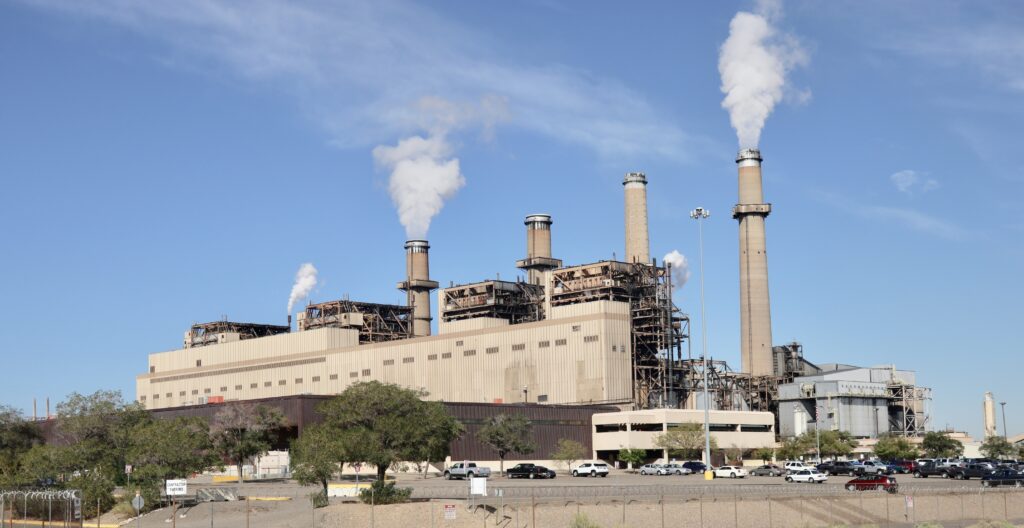
The U.S. is rapidly losing momentum and falling behind. Trump isn’t just ignoring solar and wind. He and his administration, with the help of most elected Republicans, are aggressively moving to stunt its development. The administration is actually paying wind developers billions of dollars to abandon new offshore installations. It’s ordering utilities to keep operating old coal plants that were planned for retirement. It’s ending tax incentives to build new solar and wind generating stations. It sought to close the National Renewable Energy Laboratory in Colorado, one of the world’s premiere clean energy research centers.
And it withdrew federal incentives for purchasing electric vehicles. That dimwitted move prompted Ford to close a new electric vehicle plant in Kentucky, and convince its chief executive to support Trump’s blockade of the sale of Chinese E.V.s in the U.S.
The cumulative effect is weakening the energy transition and its economic potential in the U.S. It is a structural retreat, a historic mistake that will be very difficult to resolve, and already is immensely expensive. The rate of inflation has nearly doubled in the U.S. since February, and fuel prices have reached $5 a gallon for gasoline – far more on the West Coast – and much more for diesel.
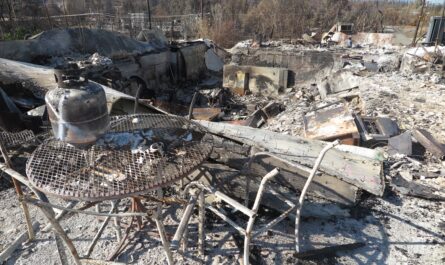
The ecological consequences are just as severe. The warming climate is causing extreme weather-related emergencies – deepening droughts, more dangerous flooding, more menacing hurricanes and tornadoes. Billion-dollar disasters are much more numerous in the U.S. The cost of repairs and insurance is rapidly increasing.
China, which imports 30 percent of its total oil supply from the Gulf nations, hasn’t evaded the effects of the Iran War. But its clean energy ecosystem has been an enviable economic shock absorber. China’s high-speed rail and fleet of E.V.s, now 60 percent of new car sales, have reduced its oil dependence. The global fuel shortage and its economic wounds are being healed by rising sales of all clean energy equipment, and E.V. sales that more than doubled.
History will not be kind to President Trump, his allies, and voters who elected them for choosing to back America’s fossil energy sector. While China is leading other nations to accelerate investment in the technologies that will make them safer and more prosperous, President Trump is directing the U.S. to embrace its own obsolescence.
The damage being done to our country now is immense, and in the next several decades incalculable. Think about it like this. If Trump had been president in the 19th century, during the development of the steam engine at the start of the industrial age, we’d still be riding horses and shipping goods by sail and schooners.
— Keith Schneider