The practice of reporting on the environment starts with a working knowledge of a range of scientific disciplines. One of them is chemistry.
To wit: since the 1960s, when Americans and visionary lawmakers voted to hold polluters accountable for their wastes, a specific chemical pollutant has emerged in each decade as the leading environmental and public health menace prompting legal and political action.
The pollutants of primary interest in the 2020s, for instance, are PFAS, a group of toxic industrial chemicals that make products resistant to water, grease, and stains. Similarly, carbon dioxide, a climate-changing gas, was the principal focus of public interest concern through the 1990s and into the first decade of the 21st century.
When a chemical is identified as particularly dangerous, the prevailing trend over the last 60 years was for lawmakers and regulators to mandate safe limits for its discharge into the environment. The United States has been especially dogmatic in this work. In 1983, for instance, the Environmental Protection Agency shut down and evacuated 2,000 residents of Times Beach, Missouri, after dioxin, a toxic byproduct of combustion, was found to contaminate the town’s roads and yards.
Such vigilance is the reason our air, water, and lands are in much better shape today than in the mid-20th century. Along with racial justice and women’s rights, environmental protection was one of the signal public-interest achievements of our lifetime.
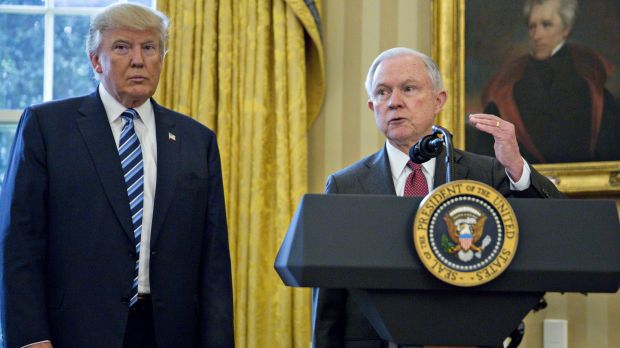
In case you missed it amid the torrent of disturbing events since he took office last year, President Trump doesn’t share the value of holding polluters accountable or the principle of pollution prevention. His second term illustrates a breathtaking travesty of climate and environmental responsibility and a mockery of social justice. It is a shame – a dangerous shame for health and long-term prosperity. The White House and environmental agencies have overturned rules limiting greenhouse gas emissions, allowed higher levels of pollutants in air and water, made millions of acres of wetlands available for development, and have taken over 140 other actions to weaken or repeal environmental protections.
More Outrage on Environmental Practice
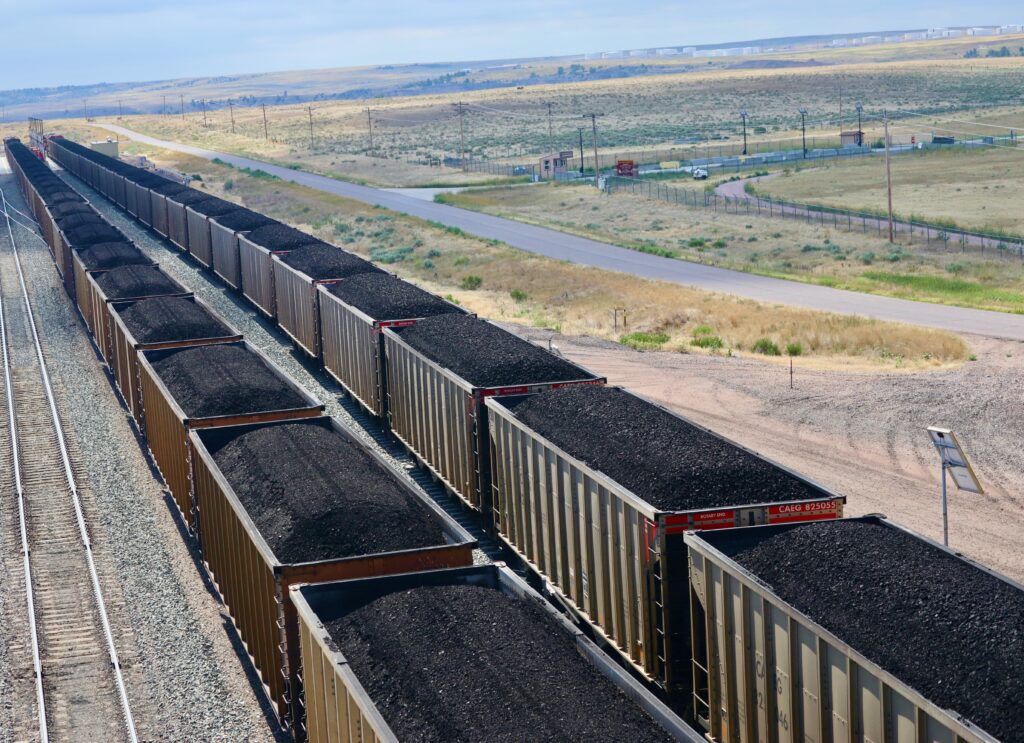
Which brings us to this administration’s latest outrage: its attack on the compelling progress the country has been making on reducing contamination from mercury, one of the primary chemical pollutants of concern in the 1970s. Mercury is a byproduct of burning coal. Its effects on health and the environment in the Great Lakes region are severe and well documented.
On February 20, the administration reversed strict emission controls for mercury that the Biden administration established in 2024. It based its decision on a futile and ill-advised effort to save the country’s coal industry and old coal-fired power plants from the ravages of competition from less expensive electrical generation, including renewable energy and natural gas. For those who don’t know, coal is the dirtiest, unhealthiest, and costliest fuel for producing electricity, which is the primary reason that fewer than 200 coal-fired power plants are still in operation in the United States, down from 518 in 2013.
The regulatory lifejacket the administration strapped on the coal sector is an attempt to rescue an industry flailing against the current. But the effect of allowing more mercury and sulfur dioxide in the environment — especially for water quality and health — will be substantial.
Mercury released from the smokestacks of coal-fired power plants is transformed by bacteria in soil and sediment into methylmercury, a powerful neurotoxin. Methylmercury accumulates in the aquatic food chain and concentrates in the flesh of sportfish across the Great Lakes basin. Long-term exposure to even trace levels of mercury can cause loss of peripheral vision, weakness in coordination, impaired speech and weakened muscles. In infants, methylmercury exposure causes brain damage. That’s why Great Lakes states and Ontario prepare fish consumption advisories, led by Michigan’s extensive health protection program.
President George H.W. Bush took notice of the damage, and in 1990 supported Congress in strengthening the Clean Air Act, which included new provisions specifically addressing mercury contamination.
The effect on mercury emissions has been impressive, though it took a while. The 1990 law required the EPA to determine whether regulating mercury and other toxic air pollutants was “appropriate and necessary.” The agency did that and then proposed limits on emissions. Following court challenges and various reviews, the EPA in 2012 issued its final rule for requiring coal-fired plants to install pollution controls and monitoring devices to ensure they met the new limits.
The effect on limiting mercury emissions was favorable. The U.S. Geological Survey noted that “atmospheric mercury deposition has been declining in North America but remains the dominant delivery mechanism to the Great Lakes.” The Biden administration responded to that finding in 2024 by further tightening limits on mercury emissions. But because of the 2012 regulations, most of the nation’s coal fired power plants had improved their operating practices, installed monitoring devices, and were already meeting the new limits.
Nevertheless utilities challenged Biden’s mercury reducing regulation, and after he took office Trump attacked them directly. In July, he issued a formal “proclamation” that exempted 71 big coal-fired power plants from rules requiring them to limit toxic emissions and continuously monitor their smokestack emissions for toxic particulates (microscopic dust particles). Utilities said it was too expensive to comply.
In February, the EPA expanded that exemption to all 199 coal-fired plants still in operation. Equipment to lower emissions and monitor pollutants would no longer be required.
Consequences
Researchers from the Natural Resources Defense Council (NRDC), a national environmental law and advocacy group, studied the EPA’s 2025 emissions data from coal-burning power plants and found that due to the July pollution exemptions for 71 power plants, carbon dioxide levels rose 3.9 percent last year, and nitrogen oxide emissions rose nearly 12 percent. Mercury levels, measured as a portion of emissions of particulates also increased.
Lee Zeldin, the EPA administrator, said that ending the Biden era regulation on mercury, sulfur and other toxic air pollutants would save $670 million and lower electricity prices for consumers. How the agency came up with that number is far from clear. John Walke, a senior NRDC attorney, dug into the EPA’s data and found that not installing pollution monitors on a boiler smokestack would save companies just $14,000 a year. And data reported by utilities found that exempting their plants from stricter air pollution rules will not lower consumer electricity costs at all.
“The data shows that there will be a 0 percent change in retail electricity prices,” said Walke, in an interview. “So what’s this all about? It’s ideological. They just hate regulation.”
“It costs money to install and operate pollution controls and monitors,” said Carrie Jenks, executive director of the Environmental and Energy Law Program at Harvard Law School. “If they’re not required, most companies will not spend that additional cost.”
The consequences to people and the environment, though, will be profound. President Trump is determined to end progress on mercury contamination. Levels of the toxic chemical in fish will start rising again, making it dangerous to eat salmon, lake trout and whitefish.
What the Trump administration is doing to America’s legacy of natural resource protection is revolting.
— Keith Schneider