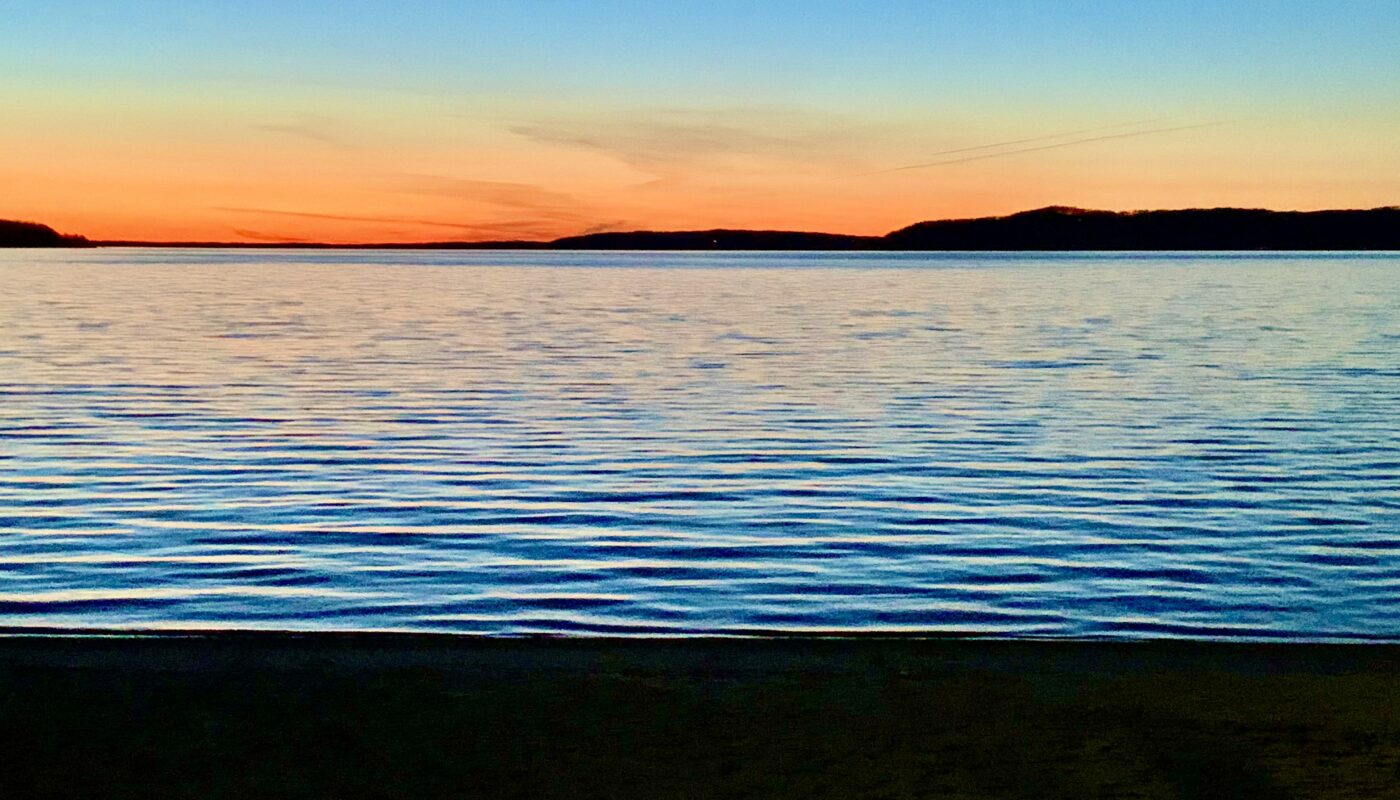
No one I know, and few people outside my realm, consider their lives near the forests and clean waters of the upper Great Lakes as anything other than a blessing. Even though for two centuries residents here engaged in an ambitious campaign to achieve “progress” – wielding the axe on our trees and building facilities that discharge wastes into our waters – our landscape nevertheless is now a real-life demonstration of the hard-fought and virtuous balance between human occupation and natural beauty.
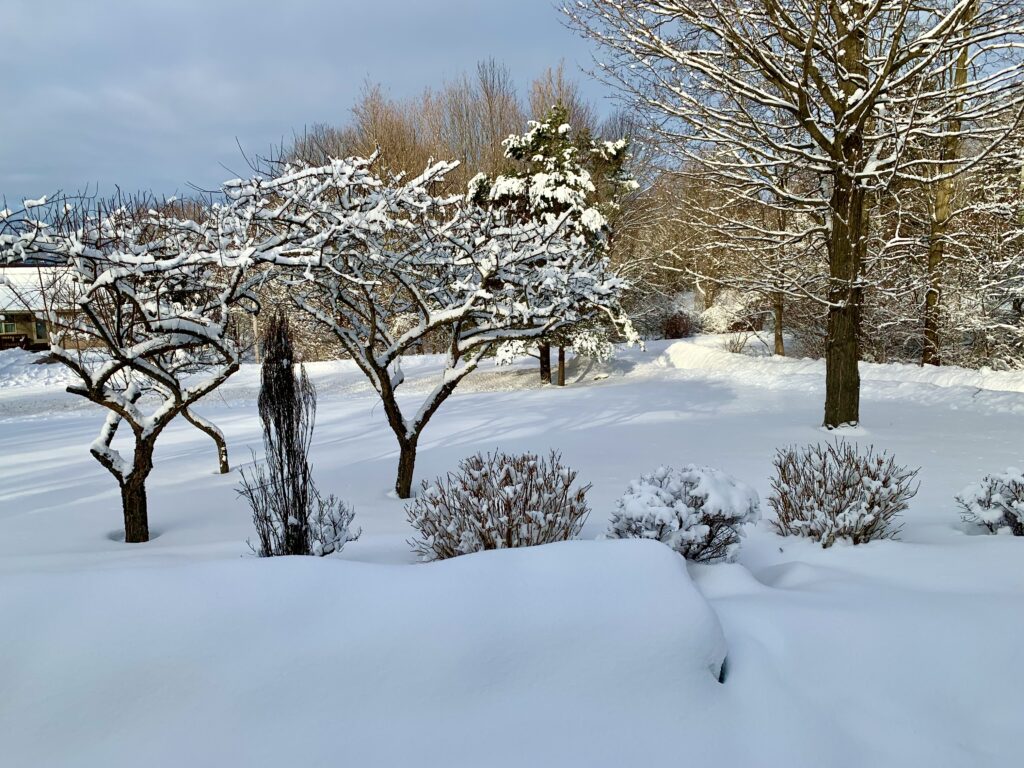
It’s seen in the glorious palette of autumn color. It’s felt in the spreading purple and orange light of sunsets on Great Lakes beaches. It’s known in the eagles nesting atop tall trees along the banks of clean rivers. It dazzles in the deep white snow of winter.
And while our natural gifts in the Great Lakes are distinctive and alluring, they are not unique in America. A hike, bike, canoe, or drive through any region in America yields the same kind of breathtaking treasures. The magnificent snowy peaks of the Rockies. The cold blue waters and high bluffs of the Pacific coast. The sunlit Low Country barrier islands of the Southeast. The painted desert of the Southwest. The cypress and mirrored wetlands of the Gulf Coast.
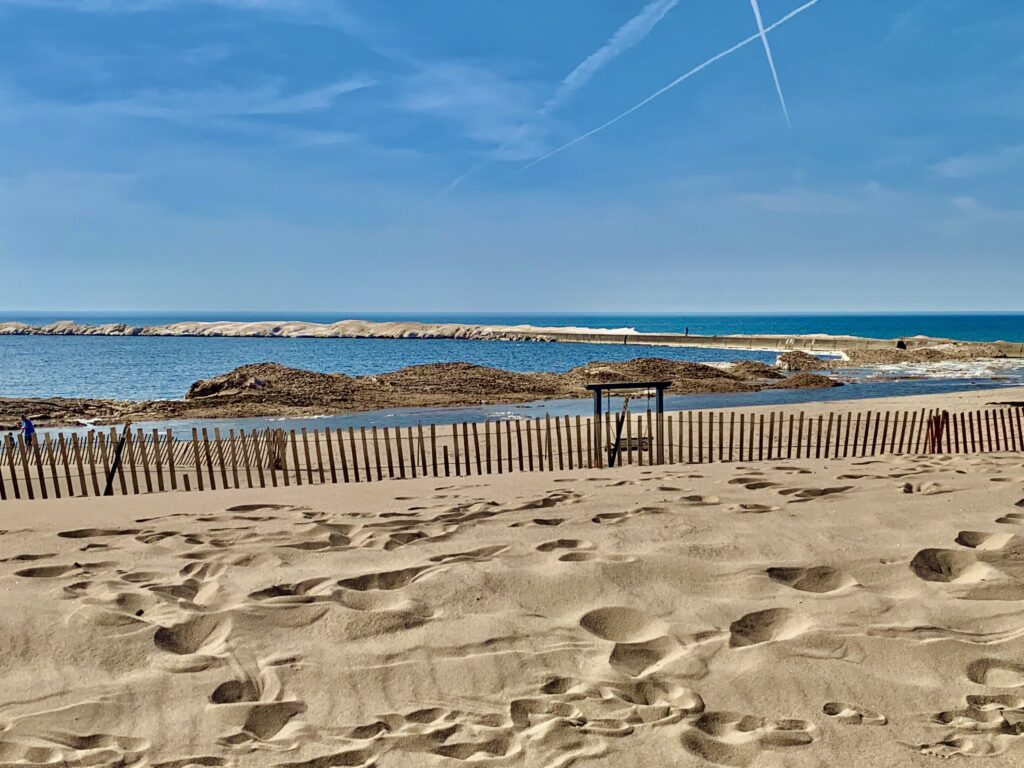
Here is the point of this essay. The miracle of our natural bounty is not just the union of land and ecology. It’s this: it’s no accident. As Americans we’ve been caretaking our most valuable gifts. Yellowstone National Park was established in 1872. Yosemite in 1892. President Theodore Roosevelt signed the Antiquities Act in 1906, the first law to protect cultural and natural resources on federal land.
And while those first conservation measures were pathbreaking, our most vigorous and effective work to safeguard water, land, air, wildlife and natural resources has come in the last seven decades, starting with the Wilderness Act of 1964, which passed the Senate 73-12 and the House 373-1. In the next 16 years the federal government approved and enforced statutes to scrub pollutants from air and water, clean up toxic wastes, protect wetlands, safeguard forests, and limit harm to endangered species. States led by Michigan, Wisconsin, Minnesota, and Pennsylvania approved their own rigorous environmental protections.
Nature Is in Us
The last half-century has shown Americans never departed from nature, even as people ruthlessly tried to break the natural environment. Woods and water and wilderness are in us, especially those of us fortunate to live in the upper Great Lakes states. We spend our days delighted by the cumulative hold of our natural domain, the sanity we’ve gained from our undeveloped land and clean waters.
Now here’s the second point of this essay. All of what we’ve accomplished in the Great Lakes and across the country is in mortal danger from a president, his aides, and compliant allies in Congress. The Trump administration is determined to let designated wilderness be ruined, drive wild species to extinction, add pollutants to air, dirty streams with chemical and human wastes, and transfer protected refuges to its friends. This is not an exaggeration.
Let’s canvas the wreckage of the last year. Since the first 9.1 million acres of federal land was designated as wilderness, defined in the 1964 Wilderness Act as “untrammeled by man,” 102.6 million acres were added to the preservation system. In 2001, the Bush administration established a new rule to block roads from being constructed in nearly 59 million more wild acres adjacent to those designated as wilderness.
Neglect and Contempt
How has Trump treated this bountiful domain? Like a fief for his friends. In March, Trump signed an executive order to increase mineral production on public lands, and in June the Interior and Agriculture departments revealed what he was really after. The administration wants to end mining prohibitions for the 1.1 million-acre Boundary Waters Canoe Wilderness in Minnesota and open the area to acidic sulfide mines.
Also in June, Agriculture Secretary Brooke L. Rollins said the administration would rescind the Roadless Rule, opening some of the last truly wild segments of U.S. national forests to logging, mining, and other industrial development. Rollins called the 24-year-old rule “outdated.”
The U.S. manages a network of more than 570 wildlife refuges spanning 96 million acres to protect hundreds of species of fish, birds, mammals, and plants. Almost two dozen were established in the Great Lakes states. More than half the country’s refuges were established or significantly expanded in the last 60 years, driven in large measure by passage of the 1966 National Wildlife Refuge System Administration Act signed by President Lyndon Johnson.
Again, Trump sees wildlife refuges as an impediment to his development goals. In October, the administration announced it was nearly finished with a plan to open 1.5 million acres of the Arctic National Wildlife Refuge in Alaska, the largest refuge, to oil development. In December, the administration said it was considering a deal to hand Elon Musk 775 acres of the Lower Rio Grande Valley National Wildlife Refuge in Texas to expand his Space X Starbase satellite launch site. Also in December, the U.S. Fish and Wildlife Service ordered a “comprehensive review” of all 573 national wildlife refuges to determine whether they “align with Trump administration priorities.”
Stripping protections for wild lands are not the only facet of America’s sturdy record of ecological protection confronted by the president’s animus to nature. Trump is wielding an axe to the water and air statutes that form the foundation of U.S. environmental law and enforcement. In just one week in November, the administration said it would take two consequential actions: narrow the scope of the 1972 Clean Water Act by cutting safeguards for millions of acres of wetlands and miles of wild streams, and alter the 1973 Endangered Species Act to allow development in wild habitat and make it much harder to rescue animals and plants from extinction.
Earlier, the administration waived requirements of the 1970 Clean Air Act and granted exemptions to chemical plants, coal-fired power plants, steel, aluminum, and copper mills that allow the country’s most polluting industrial facilities to release more mercury, sulfur, lead and other toxic pollutants into the atmosphere.
And Trump’s government said it would revoke the scientific determination that carbon dioxide is a risk to human health, the finding that forms the basis for U.S. efforts to combat climate change.
It’s Wrong and Must Be Challenged
The New York Times, where I was gainfully employed for ten years and have regularly contributed since 1982, has closely reported on the various turns and details of the administration’s attack, which editors cautiously refer to as a “reshape of U.S. environmental policy.”
I’m not nearly as polite. Trump is systematically and recklessly dismantling the protective laws that allow sunlight to emboss the floors of mature forests, that fill the wild rivers with brook trout, that cleared the soot from the air that I breathed as a kid growing up in New York. In ecological terms Trump is initiating what’s called a “trophic cascade.” It’s the environmental change that occurs in an ecosystem caused by adding or removing a predator from the food chain.
In Trump’s malignant America let’s call what he’s doing a “political cascade.” Systematically eliminating the laws and rules that impede the hazards to our natural domain will, in time, erode some of the prime features of our lives as Americans – our joy in walking in deep woods, the awe of the natural balance of our land and water, our access to the beautiful places to camp and walk and hunt and fish.
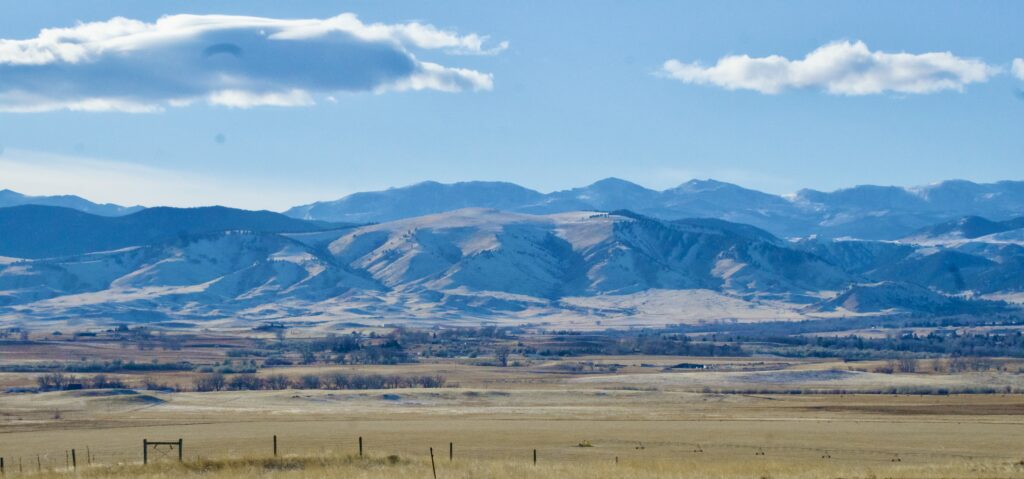
Perhaps no region of the country has gained more from resource repair and conservation than the upper Great Lakes.Polluted bays are clean. Forests are maturing. Vistas are preserved.
In national park development, by itself, the upper Great Lakes was amply rewarded by the sacred and elegant American ideal of preservation. Since 1960 the number of national parks has doubled to over 400 park units. Six of them established over the last six decades are in the Great Lakes region: Voyageurs National Park in Minnesota, Cuyahoga Valley National Park in Ohio, and four national lakeshores in three states (Indiana Dunes, Pictured Rocks and Sleeping Bear in Michigan, and Apostle Islands in Wisconsin).
With each harbor cleaned, fishery restored, shoreline park established, and refuge expanded, the upper Great Lakes has emerged as endlessly captivating. The region has remade its economy. Cities and towns are choice places to live. We scrubbed away the decades of grime and loss. We can’t get caught again by the compact of Trump’s contempt and degradation, by the Black Friday sale of our natural heritage.